5 Livability Lessons for Your Home (Because we actually live here.)
Picture a white sofa on pristine oak floors. A soft white area rug. Flowing white sheers framing the windows. A carefully placed throw draped just so. On the coffee table, three perfectly curated, never touched collectibles. Lovely? Certainly.
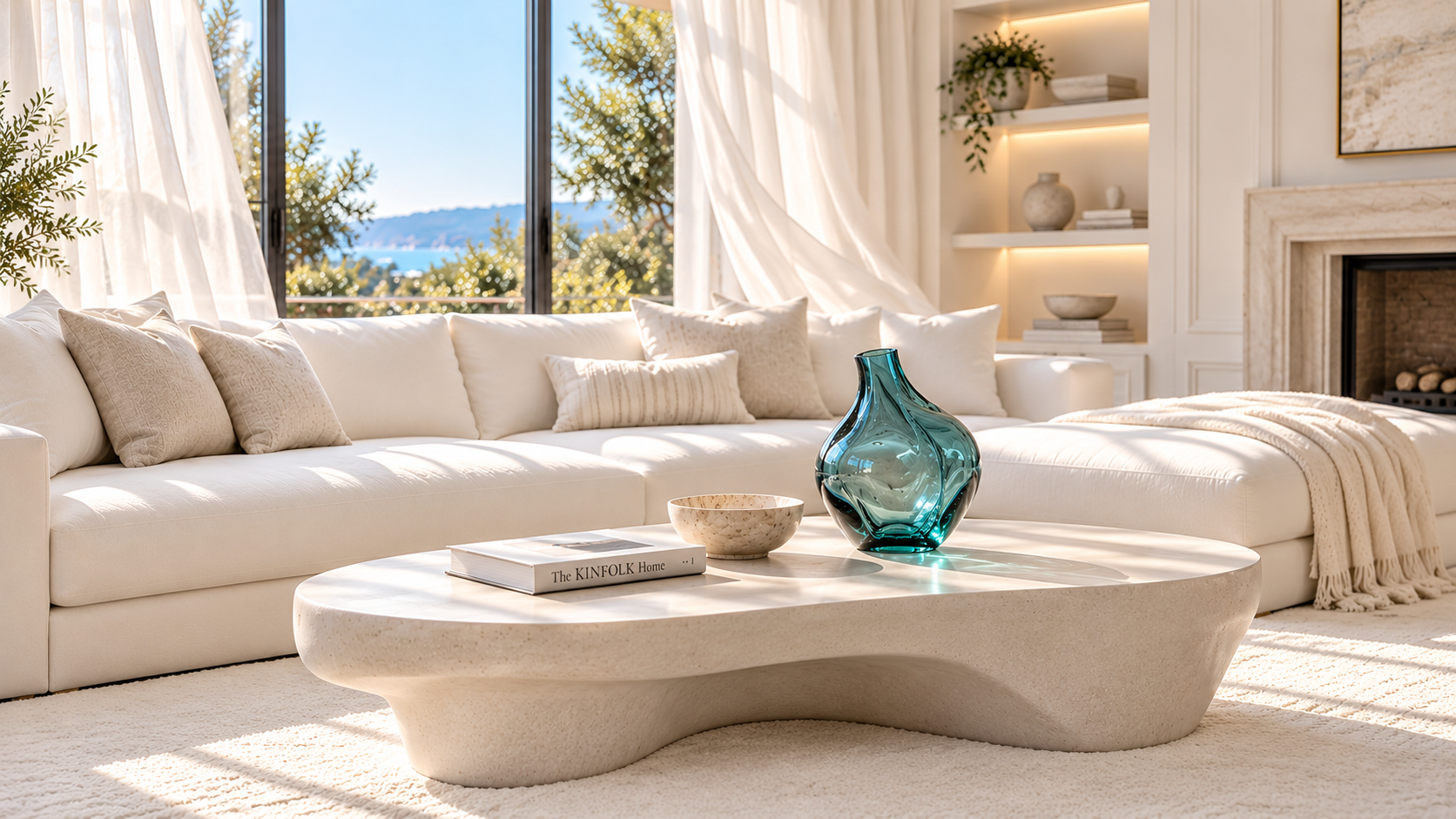
Now, before entering the room, please shower and change into approved clothing. Children are restricted. Pets strictly forbidden. Family members carrying beverages denied entry. Don’t touch that vase, sir! Back slowly away. No sudden movements. Relaxing? Riiiiiiiiight.
Beautiful spaces are a gift. But our homes need to support the people who actually live in them. We have kids, dogs, spouses, and stuff. We spill things, scratch things, watch TV and occasionally have the audacity to put our feet up.
I propose that following the “rules” of a perfectly designed home is far less desirable than following your passions in the space where you live. Here are some ways to level up your home’s livability.
1. The TV Is Not Evil
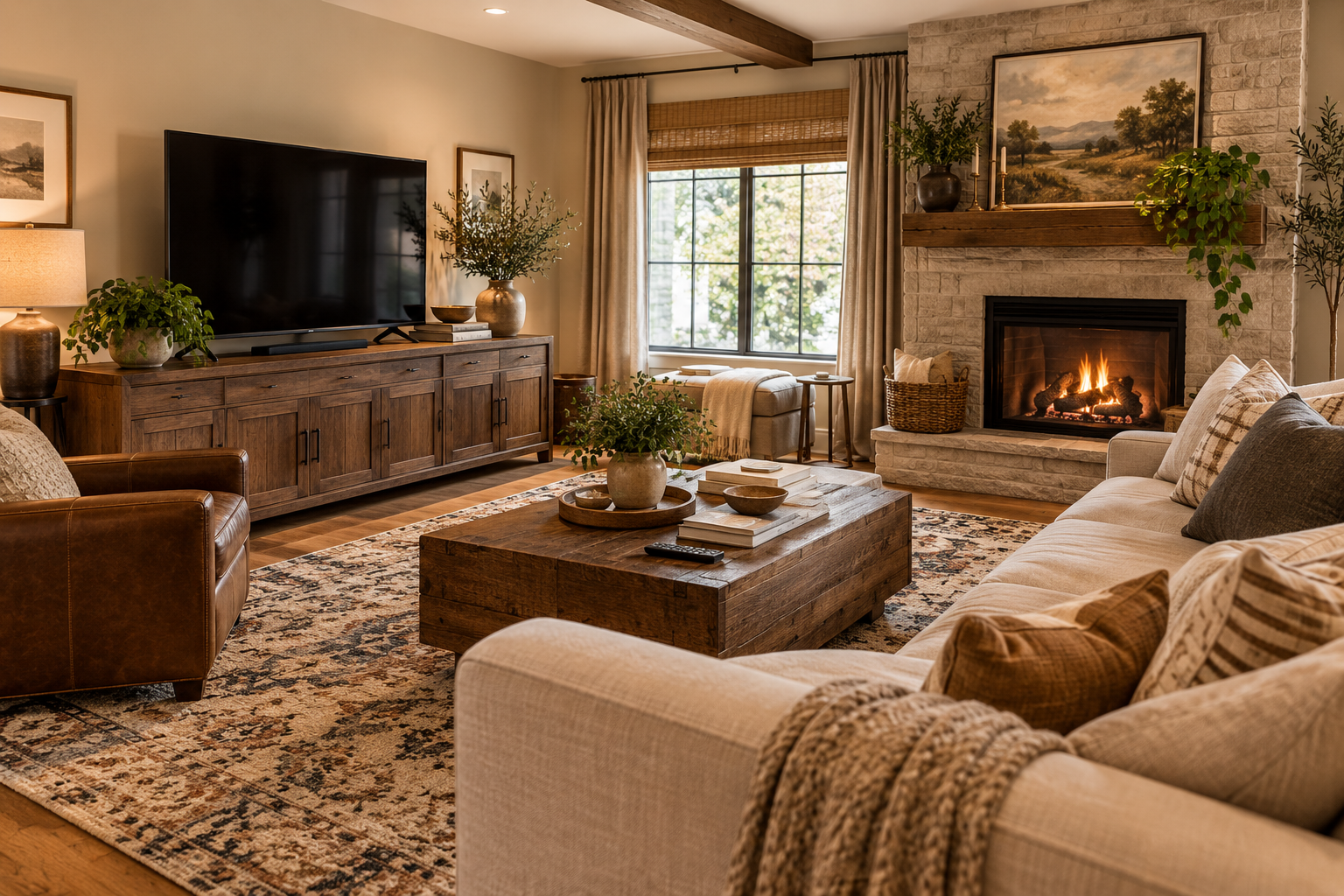
You’ll find a lot of design advice devoted to disguising, hiding or drawing attention away from the television. I get it. But, we watch it.
Most of us have a TV in the family room or living room. Many in the bedroom. Yet somehow we’re supposed to arrange the room as though this large black rectangle mysteriously appeared overnight and our primary decorating objective is to convince visitors it doesn’t exist.
You can buy furniture that hides it. You can disguise it as artwork. You can build things around it. You can spend a small fortune making sure nobody suspects there is a television in the room. Or—and hear me out—we could acknowledge that we own a TV. That doesn’t mean it needs to be the star of the room. Give it some competition. Hang artwork. Add texture, color and interesting things around it. Create other places for your eye to land.
But if everyone in the house spends Tuesday night sitting on the sofa watching TV, perhaps we don’t need to spend Wednesday pretending we didn’t. Design the room for the way you actually use it. The TV can stay. I promise not to tell anyone.
2. Color Rules Can Be Bent
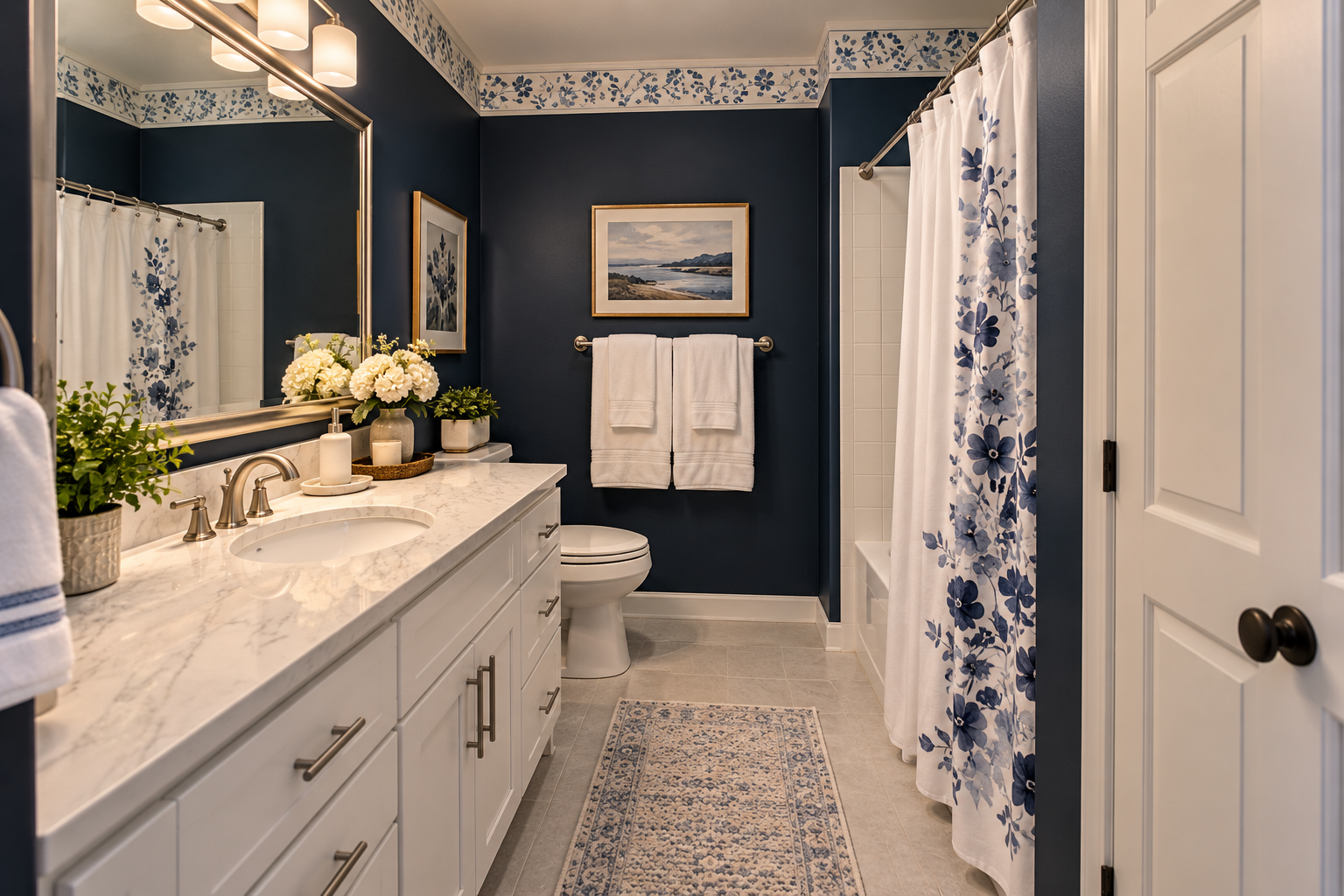
False rule: small rooms should be light and bright, so they’ll feel larger. While it’s true that light colors reflect light so they can make a small space feel more open, sometimes you really want navy. I once painted a fairly small bathroom dark navy blue. All four walls. Bold choice. Confident choice. Once I finished painting, I looked around my tiny navy box and nearly burst into tears. What had I done?
Here’s what I hadn’t done. I hadn’t painted the vanity white yet. The white towels weren’t there. The light colored shower curtain wasn’t hung. The border that would break up all that navy hadn’t been added. I was judging the room before most of the things that would balance the dark walls had even shown up. Once they did, the navy worked.
Real-life decorating rarely comes with a television-show reveal where we close our eyes and somebody yells, “Okay! Open them!” We see the ugly middle. We live through the part where the room is unfinished, everything looks wrong and we briefly question our judgment. So if you decide to take a small room dark, take the plunge. But finish the room before you panic.
3. Matching Is Not an Unbreakable Rule
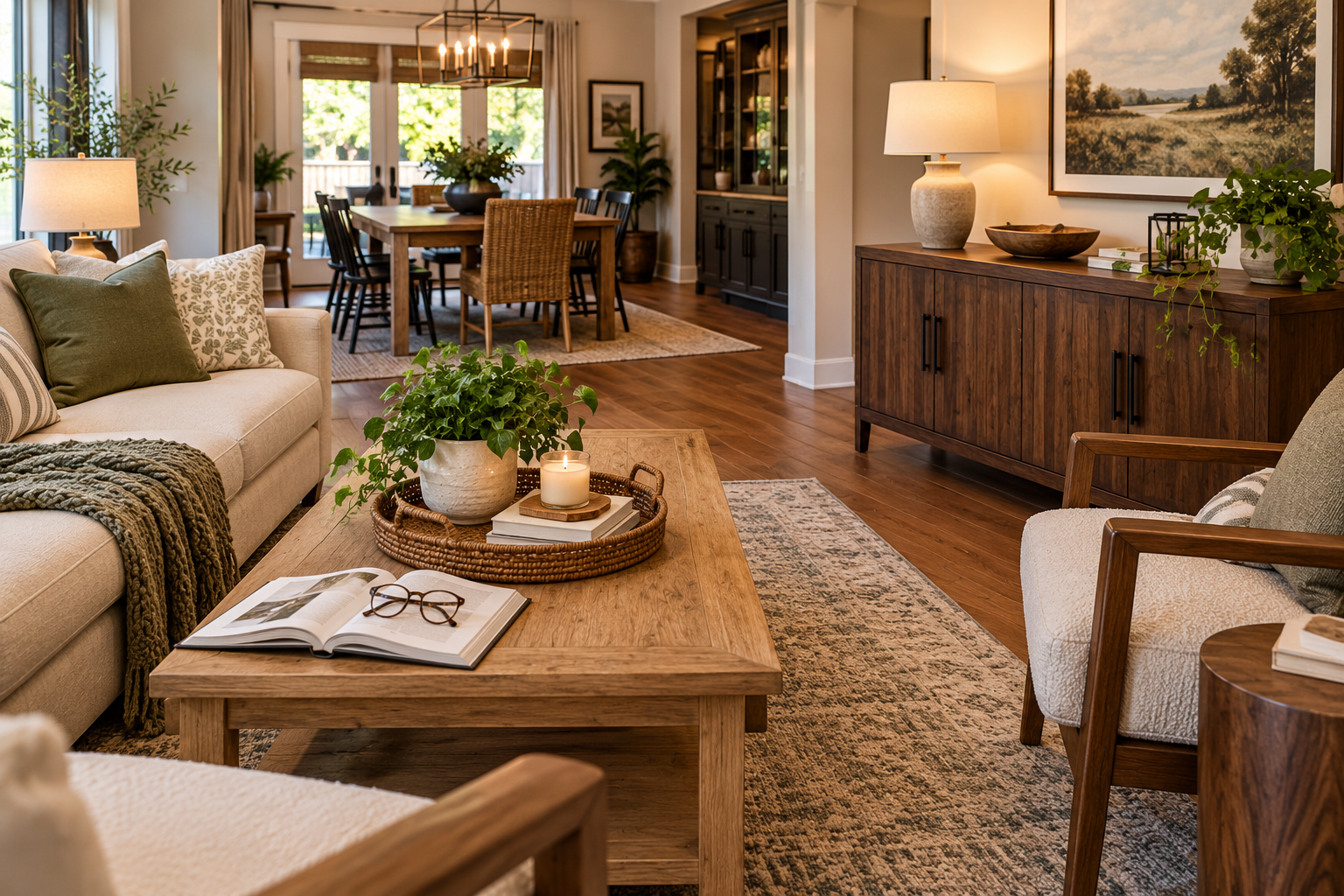
Most homes weren’t furnished in one afternoon from one showroom. We collect things over time. We inherit things. We find things. We fall in love with something that has absolutely no intention of coordinating with the dining table we bought twelve years ago. Good.
An accent piece may be interesting because it’s different and doesn’t exactly match. Seek connection instead of sameness. Maybe the undertones work together. Maybe the piece relates to another color or texture in the room. Or maybe it’s just a really great piece and you love it. That counts, too.
A home collected over time should look like it was collected over time. Otherwise, we’re right back to that pristine white room. And you know the rules there. Don’t touch the vase.
4. Baskets: Hiding Stuff Since Forever
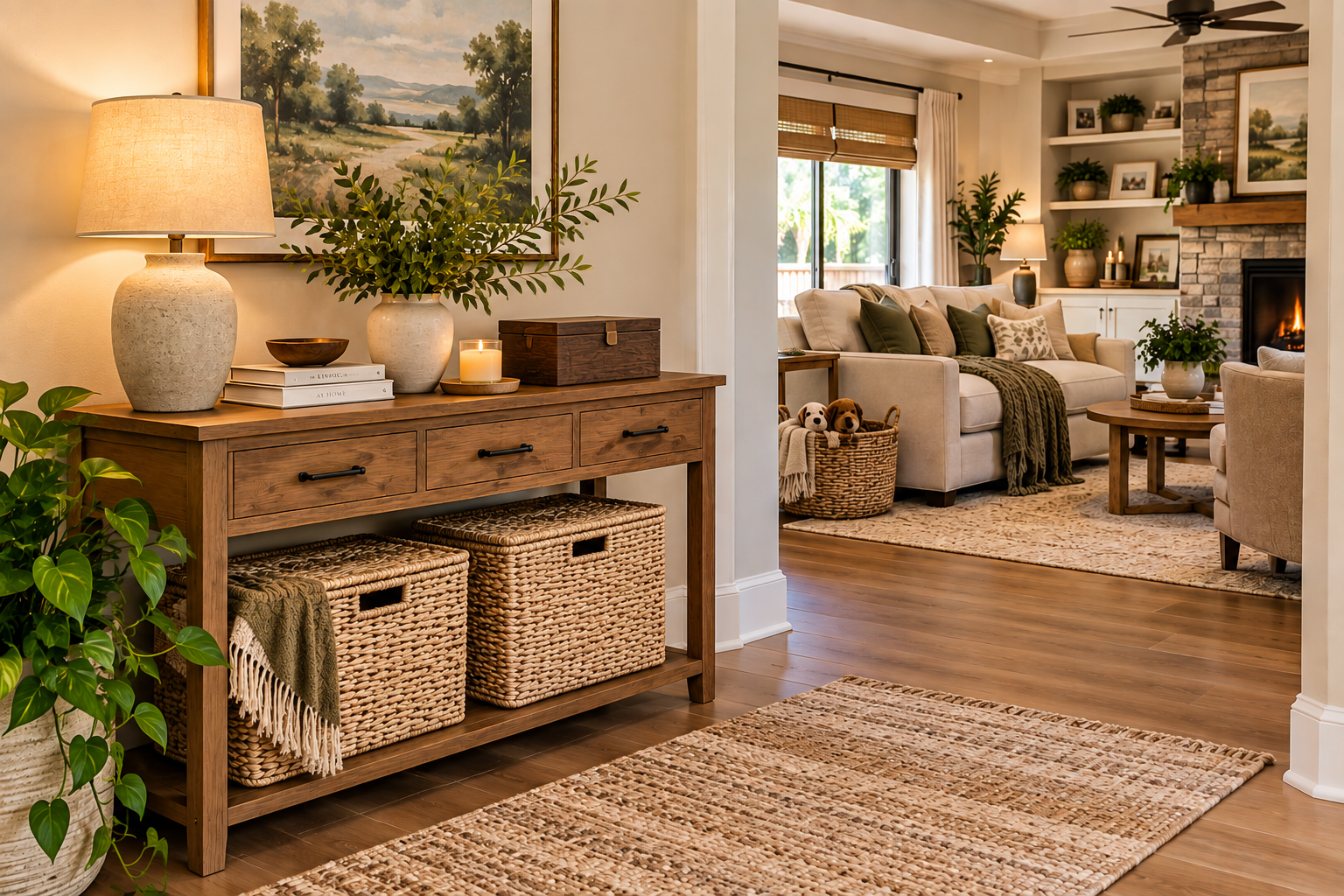
Clear surfaces absolutely make a room feel calmer and less cluttered. And clear surfaces are well served by baskets that hide all the secret stuff around this house.
Freddy has a basket with a lid for the things required to keep Freddy operational: keys, wallet, notebook, daily necessities. Dog toys? Basket. Charger cords, and random items that mysteriously accumulate on the kitchen peninsula despite nobody admitting to putting them there? Basket. With a lid. The lid is critical. Dropping six random things into an attractive container giving the appearance that you have your life together. Priceless.
We all create clutter. The trick isn’t pretending we don’t. It’s giving all that everyday stuff somewhere to go before it slowly takes over. Clear is calm. Clutter is stress. So use trays. Use drawers. Use cabinets. Use decorative boxes. And use baskets. Especially baskets. And if you visit my house and notice baskets with lids, don’t peek. How rude.
5. Style, Meet Lifestyle
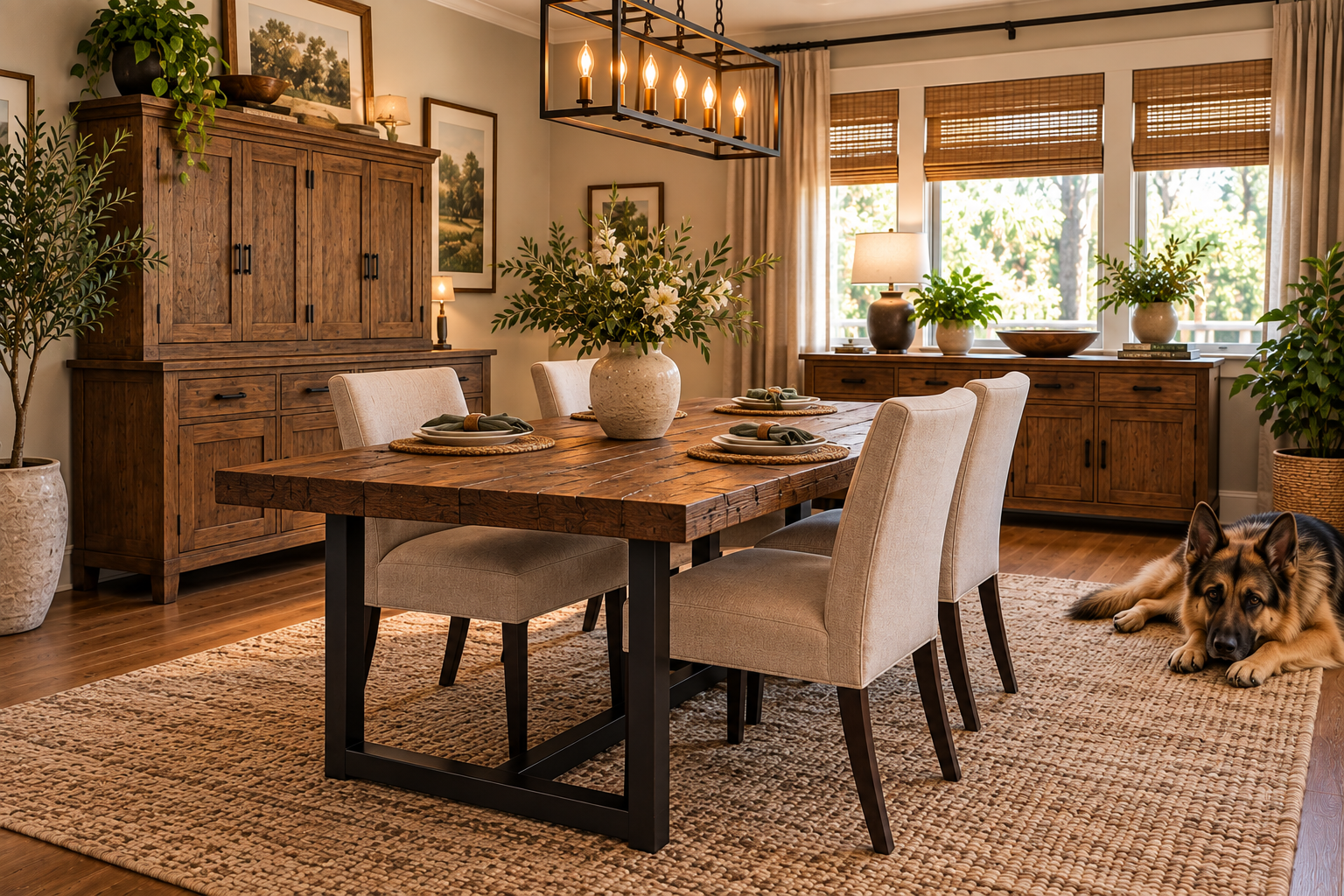
Then there’s the idea that we should choose a design style and stick with it. Hahahahahaha. Maybe if you live alone. And even then, most of us like things from more than one style. But add a partner, kids, dogs and an actual life to the equation and good luck with that.
I love contemporary. Freddy loves rustic. Our home is a hybrid of both because—surprise—we both live here. And sometimes those differences actually make the house work better.
Rustic finishes, for example, can be wonderfully forgiving. A floor that already has some variation and a slightly worn look is much less likely to break your heart when a 90-pound German Shepherd goes sliding across it in pursuit of a ball.
Things will get scratched. Kids will spill. So will Freddy. Dogs are messy. This is where style needs to meet lifestyle.
It’s also why “replace it” shouldn’t automatically be the answer when something no longer works. Can you refinish it? Repurpose it? Move it to another room and give it a different job? Is there something elsewhere in the house that could take its place? And if you really can’t use it anymore, could someone else?
Homes evolve because the people living in them evolve. Things move around. Old pieces get new jobs. Different styles mingle. Scratches happen. Your home doesn’t need to fit perfectly into a design category. It needs to fit you. Love the style. Make it beautiful. But make sure it works for the life happening inside it. Because that’s the real goal.
Make Room for Real Life
Your home is going to get messy. Something will get scratched. Someone will spill. The dog will shed. The kids will leave things where they don’t belong. You will occasionally make a decorating decision that causes you to wonder what on earth you were thinking. That demonstrates that people live there.
Create a home that’s beautiful. Fill it with things you love. Make choices that bring you joy when you walk through the door. A beautiful home shouldn’t require everyone living there to behave like a guest. So put your feet up. Watch the TV. Let the dog chase the ball. Just please...don’t touch that vase.
Now, what will you do next to love where you live?
Be sure to visit The Redesign Habit to share your redesign stories or reach out with your questions. We’d love to hear what you’re working on.
For more great stories and ideas please follow us on Facebook, Instagram, and subscribe to our YouTube Channel.