
The Redesign Blog
Blog Categories
Don’t forget to subscribe to The Redesign Habit YouTube channel to see even more DIY projects!
5 Livability Lessons for Your Home (Because we actually live here.)
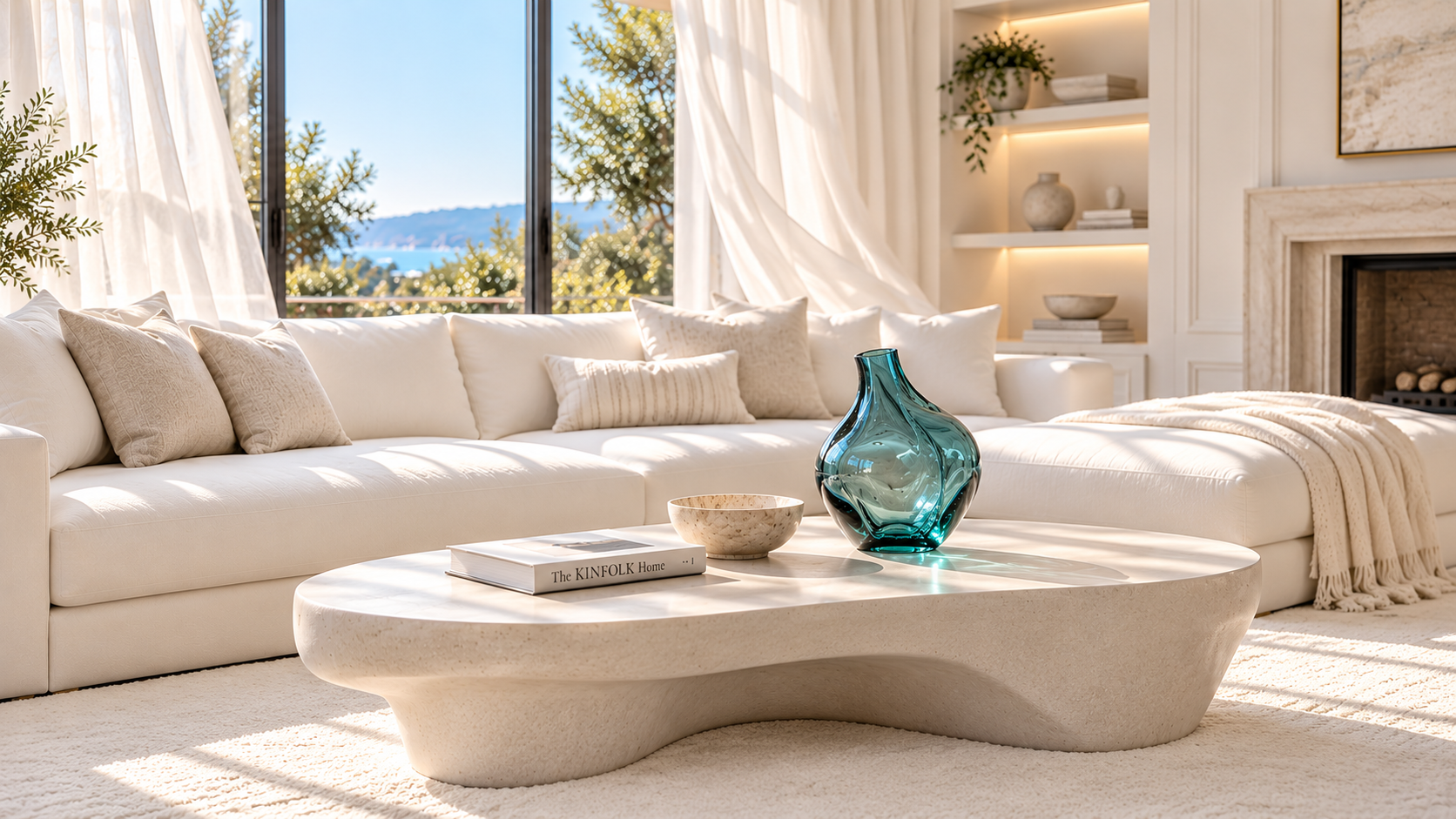
Picture a white sofa on pristine oak floors. A soft white area rug. Flowing white sheers framing the windows. A carefully placed throw draped just so. On the coffee table, three perfectly curated, never touched collectibles. Lovely? Certainly.
Now, before entering the room, please shower and change into approved clothing. Children are restricted. Pets strictly forbidden. Family members carrying beverages denied entry. Don’t touch that vase, sir! Back slowly away. No sudden movements. Relaxing? Riiiiiiiiight.
Matching Adjacent: The Art of Not Quite Matching
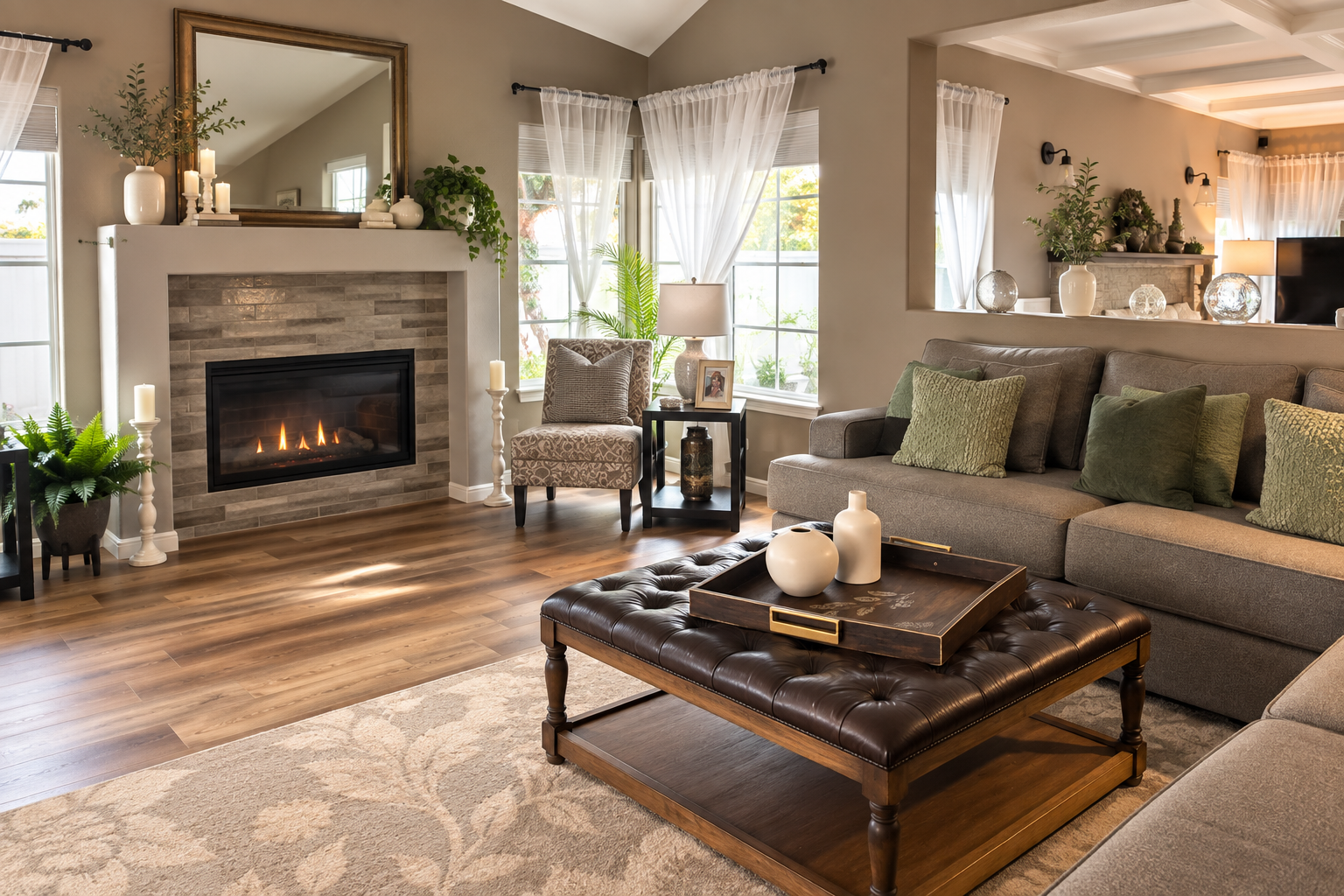
There was a time when furnishing a family room was straightforward. You bought the sofa and matching loveseat. Maybe you added a matching chair. Then came the coffee table and two matching end tables. If you were furnishing a bedroom, you brought in five pieces of matching cherry furniture that were arriving on the same truck. Matchy matchy. Not that there’s anything wrongy wrongy with that.
There still isn’t. Matching pieces can make sense for a room. But not everything has to match exactly to work together. In fact, things can get a whole lot more interesting when they don’t.

The Pumpkin Is Up—Fall Can Start Now
At 8 a.m. this morning, I poured my coffee and headed out to the little seating area on our front porch. I was in the shade with visions of sitting there enjoying a peaceful September morning.
Nope. That lasted about three minutes. It was already hot. And humid. And generally unpleasant enough that I picked up my coffee and retreated back into the house. Even the dogs aren't getting their morning walk because apparently summer has decided it lives here now.
Humble brag: one of the BIG reasons we moved back to San Diego almost 20 years ago was to escape the heat and humidity of Midwest summers. You know, San Diego, land of endless sunny-and-70. I did my time. I left. I thought we had an understanding.
Apparently, this particular summer did not get the memo. But here's the thing. There's a pumpkin hanging on my front door, so clearly one of us thinks fall is coming.
I'm putting my money on the pumpkin.

Something Feels Off: 5 Things To Check When a Room Isn’t Working
You know the feeling. You enter a room in your home and think something feels off.
Furniture is nice. Colors are fine. Accessories are well placed. You’ve fluffed the pillows within an inch of their lives, and maybe even wandered through HomeGoods hoping the answer would jump into your cart.
Yet the room still isn’t working.
When this happens, it’s helpful to put away your credit card. Often the solution isn’t to buy your way to a better place. I strongly recommend figuring out what’s causing that “something’s off” feeling in the first place. This blog provides a checklist for you to do exactly that.

Confessions of a Serial Arranger
It started with a vase. My best friend Amy made the innocent mistake of moving one from her mantel.
Now, you might think moving a vase is a fairly straightforward activity. You pick it up. You carry it somewhere else. You put it down. Clearly, you are not a serial arranger. Because a moved vase creates a spot on the mantel where the vase used to be. That spot could not possibly remain empty. Action is required.
You dutifully find something to fill the void. Except the something came from somewhere. Now that spot is empty. You see the dilemma, right?
I've Been Framed!
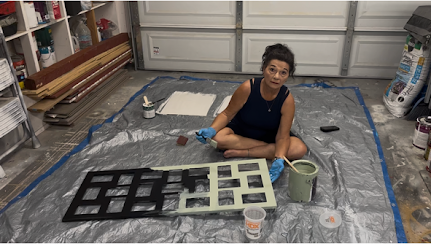
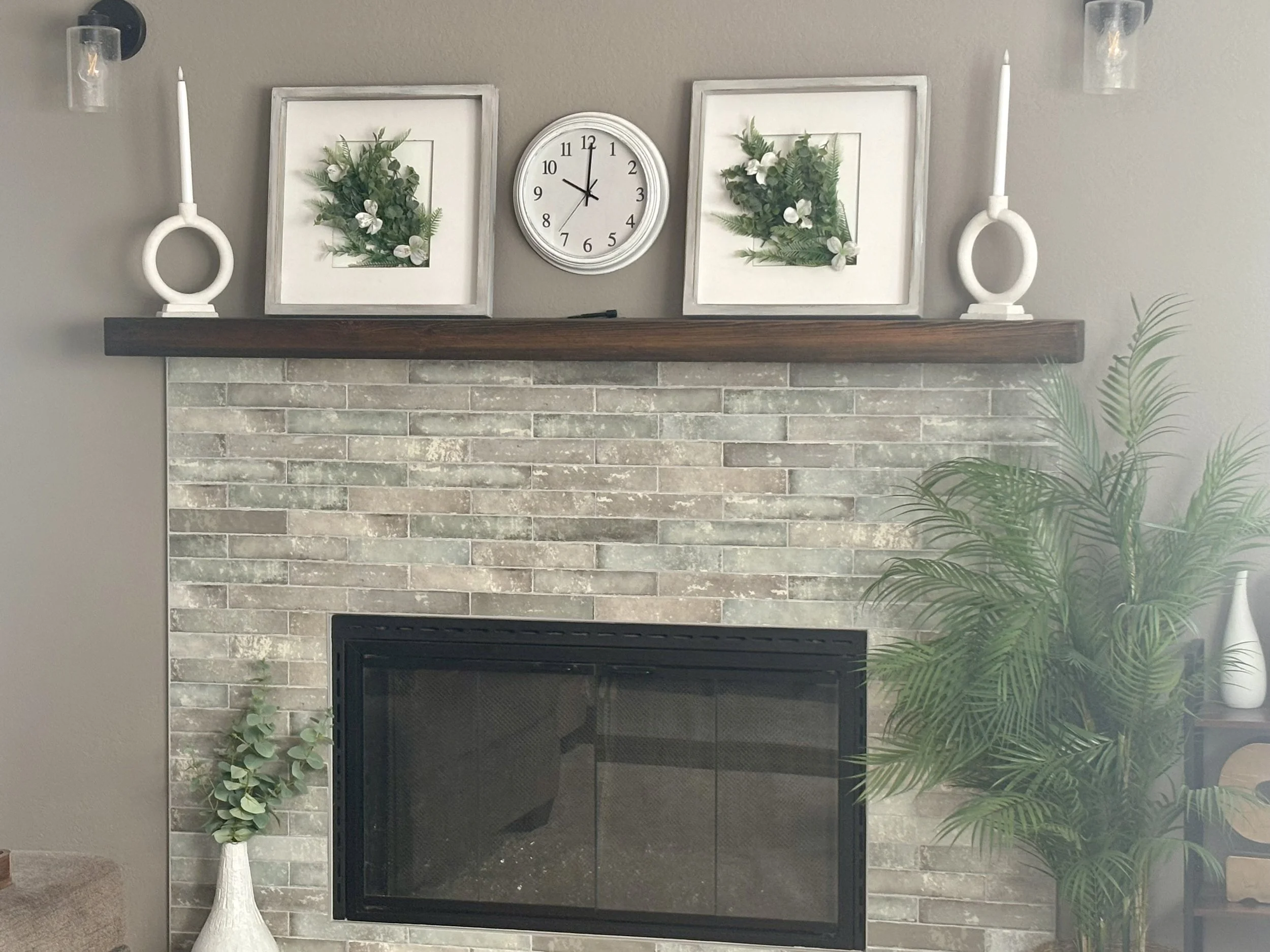
Sometimes I bring home a thrift-store find because I know exactly what I'm going to do with it. And sometimes I bring something home because it's $10, has good bones, and apparently, I have absolutely no ability to walk away from that combination. This oversized collage frame fell squarely into category number two. Read on to see what I actually came up with in this fun DIY/Craft Project!
DIY Botanical Artwork: When a Project Changes the Plan
Sometimes the Best Ideas Aren’t the Ones You Start With
I wasn’t looking for botanical artwork project that day. I was simply doing what I usually do when I walk into a thrift store—looking for possibilities.
Tucked among the shelves were two square shadowbox-style frames. Though they were solid and came with mats and backing, their faux cherry finish had seen better days. However, they had potential (code for “This is probably going to take a lot longer than I’m telling Freddy.”)
Some projects begin with a detailed plan. Others begin with a thrift store find and a little curiosity.
Confessions of a DIY Addict
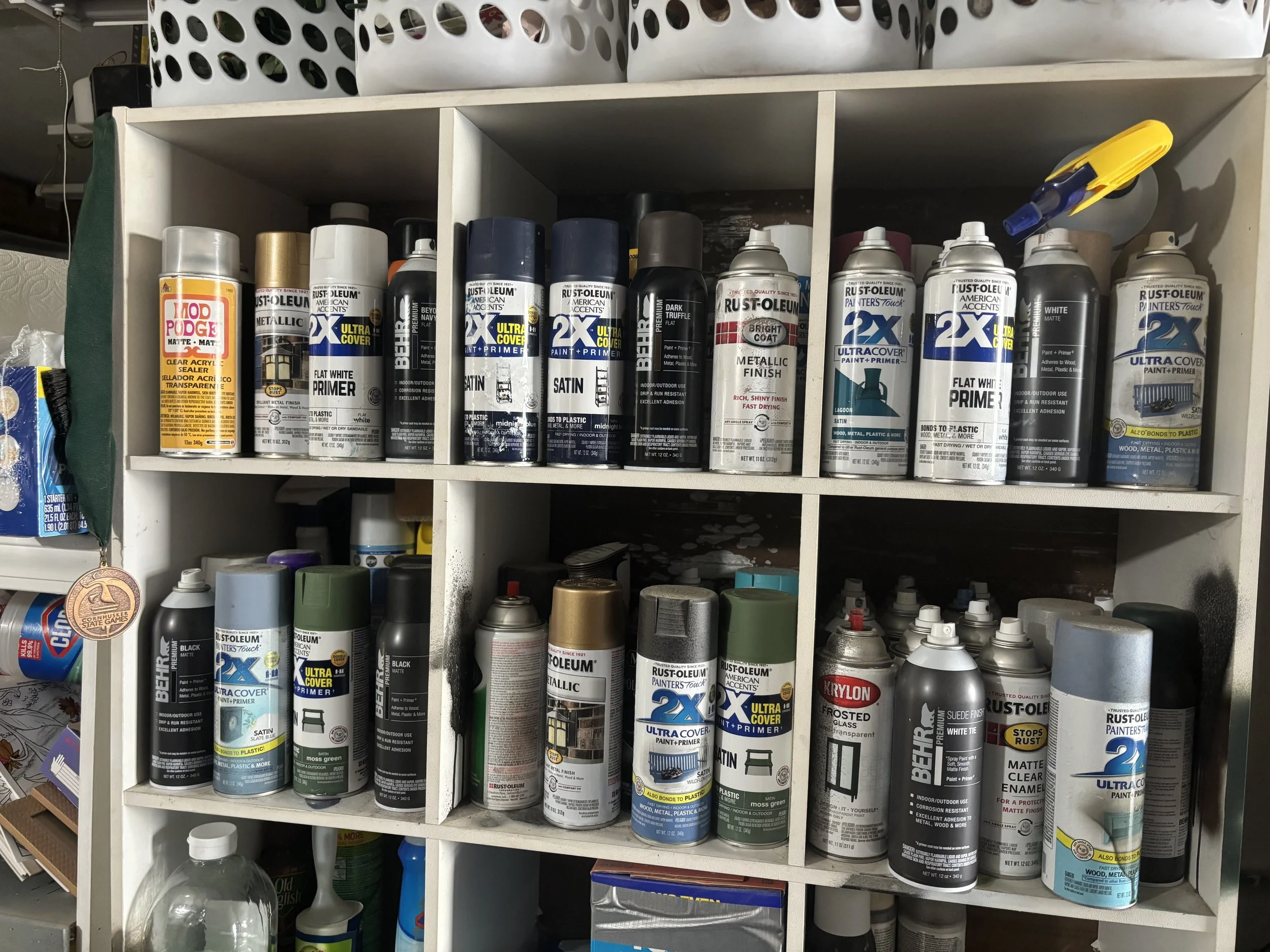
If you've been around this redesign space for a while, you've probably started to notice a few things about me. I can find possibility where other people see something past its prime. I own far more sandpaper than any reasonable person should. And somewhere along the way, spray paint became one of my favorite decorating tools.
So today, I thought it might be fun to share a few honest confessions from someone who's been happily covered in sawdust for more years than she'd probably care to admit.

Apparently...My Dogs Match My Décor
Sometimes it takes another person to point out a pattern that's been right in front of you all along. The other day someone asked me one of the strangest decorating questions I've ever heard. “Did you intentionally choose dogs that match your décor?” My immediate response was, “Of course not!” I mean...who does that? Then I started thinking about it.
Uh oh.
The Question Was, "Do You Want This?"
"Do you want this?"
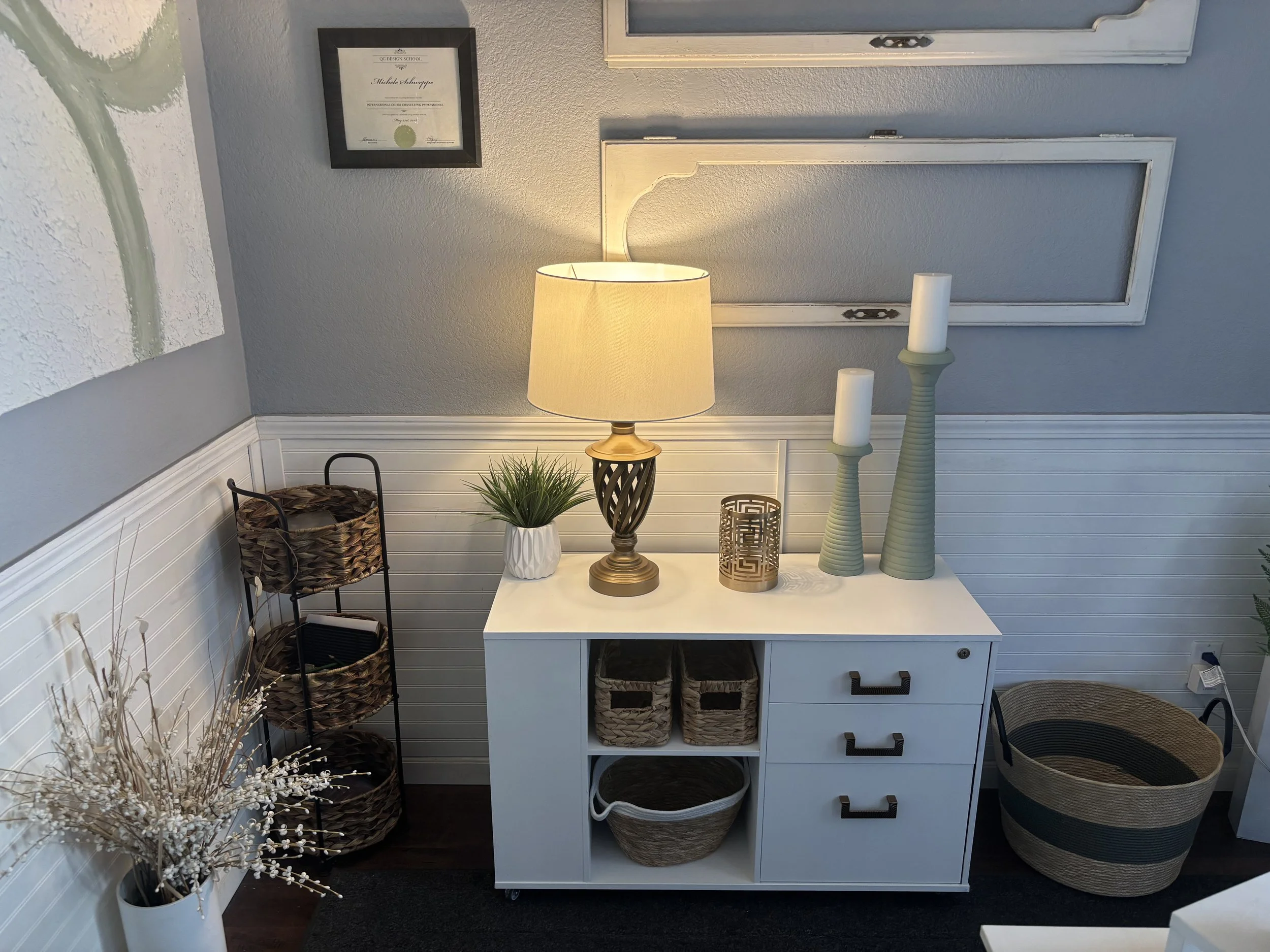
That was the text I received one afternoon from my daughter, along with a picture of a dark faux wood laminate credenza she no longer wanted. I looked at the photo for about one second before texting back, "Yes!"
The Kitchen Told the Whole Story
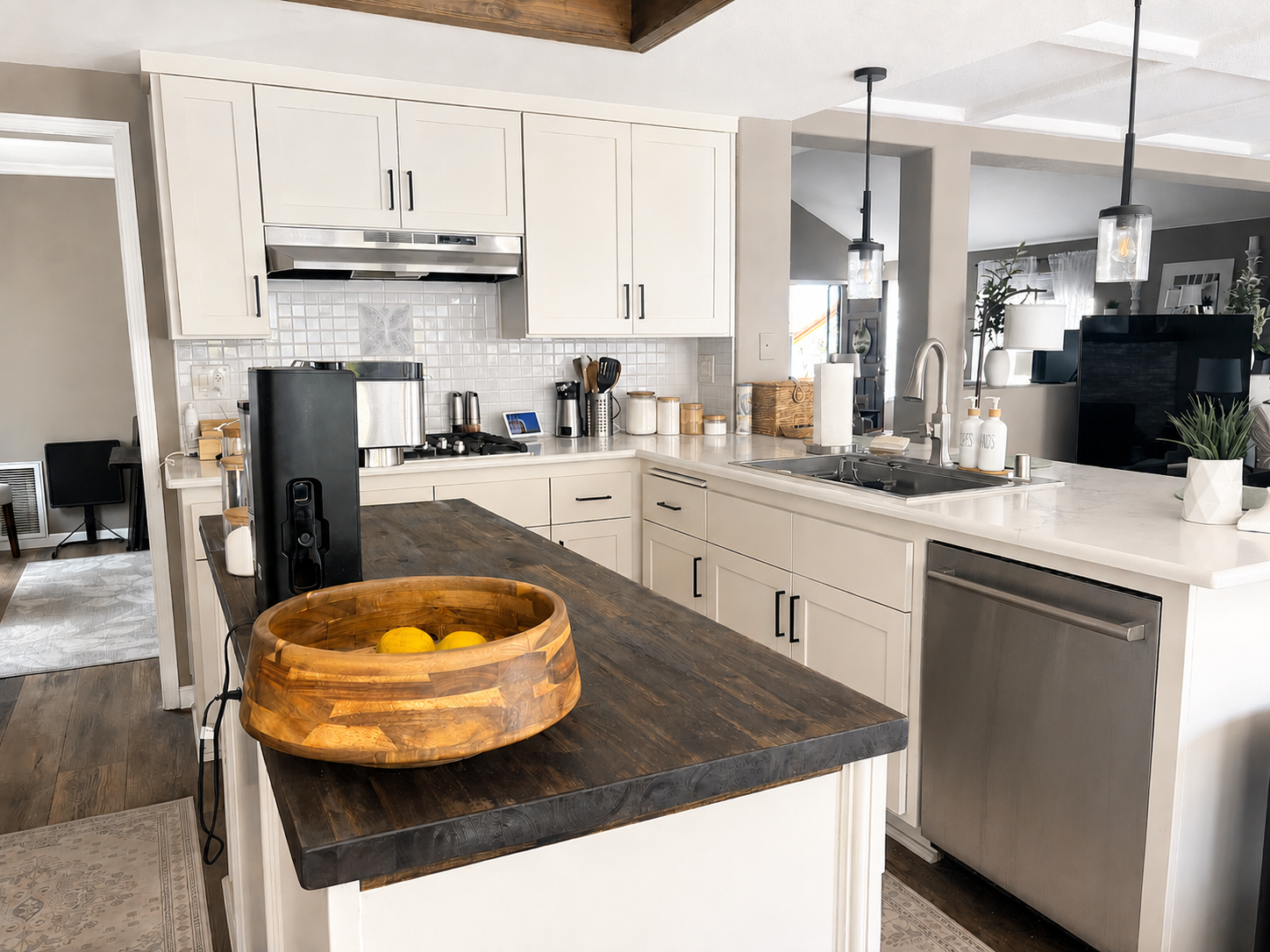
When we first moved into our house nearly nine years ago, the kitchen was the room that constantly reminded us just how much work the house needed. The appliances were original. Some barely worked, others worked inconsistently, and a few simply needed to go. Replacing them wasn’t about creating a dream kitchen yet. It was about function. About making the space usable for everyday life.
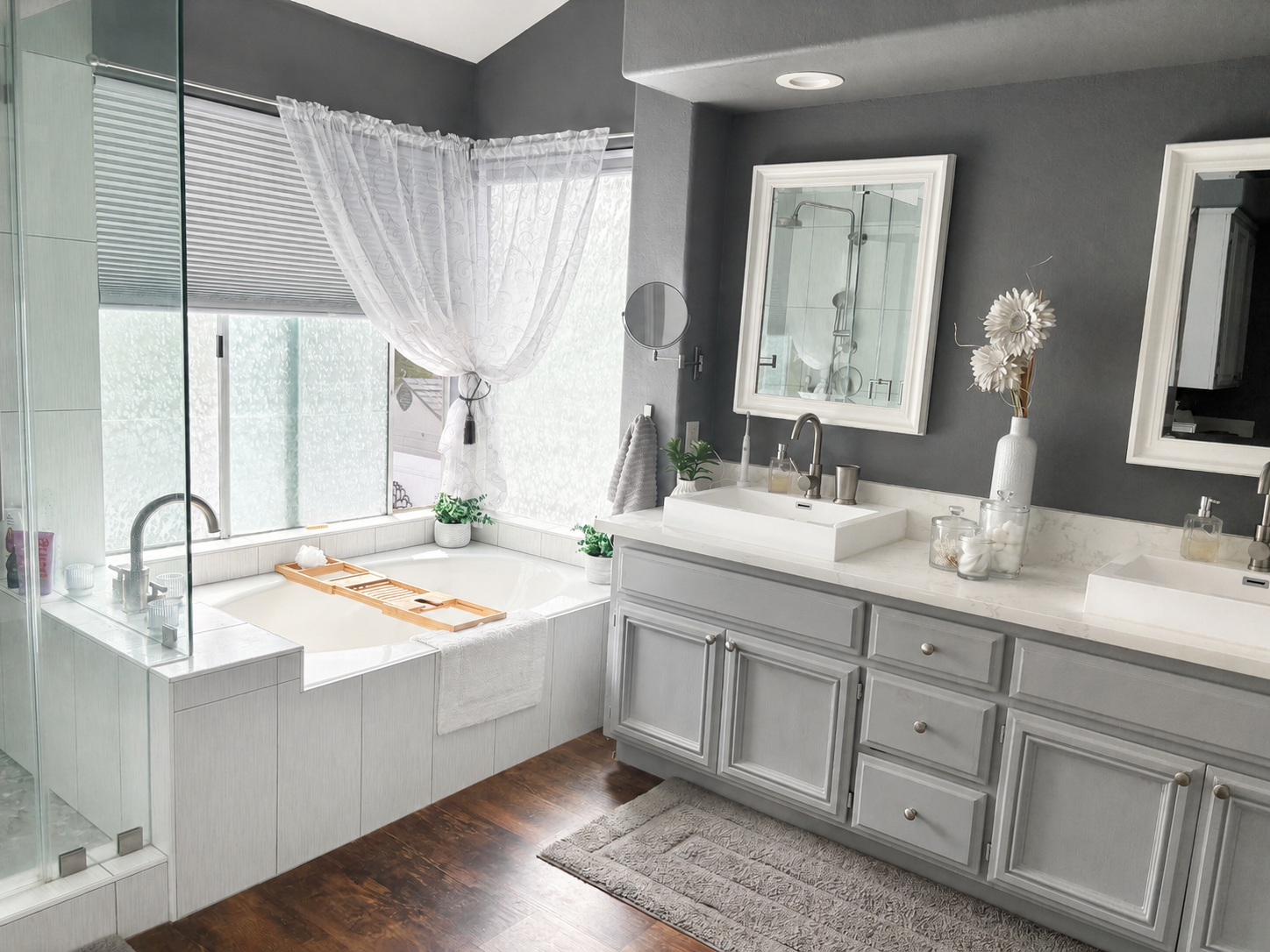
Layered Investment & Compounding Progress
At some point in a long home journey, the small decisions, patient improvements, and thoughtful investments start building on top of one another in ways you can finally see and feel. Not overnight, and certainly not because life suddenly turns into a perfectly edited renovation show. But one completed project creates momentum for the next. Savings, patience, skillsets, and timing slowly begin aligning in ways they simply couldn’t during the earlier years of homeownership.
Don’t miss any design tips!
Subscribe to The Redesign Habit blog today for a weekly email of our latest posts.