
The Redesign Blog
Blog Categories
Don’t forget to subscribe to The Redesign Habit YouTube channel to see even more DIY projects!

Something Feels Off: 5 Things To Check When a Room Isn’t Working
You know the feeling. You enter a room in your home and think something feels off.
Furniture is nice. Colors are fine. Accessories are well placed. You’ve fluffed the pillows within an inch of their lives, and maybe even wandered through HomeGoods hoping the answer would jump into your cart.
Yet the room still isn’t working.
When this happens, it’s helpful to put away your credit card. Often the solution isn’t to buy your way to a better place. I strongly recommend figuring out what’s causing that “something’s off” feeling in the first place. This blog provides a checklist for you to do exactly that.
From $10 Goodwill Find to One-of-a-Kind Wooden Tray
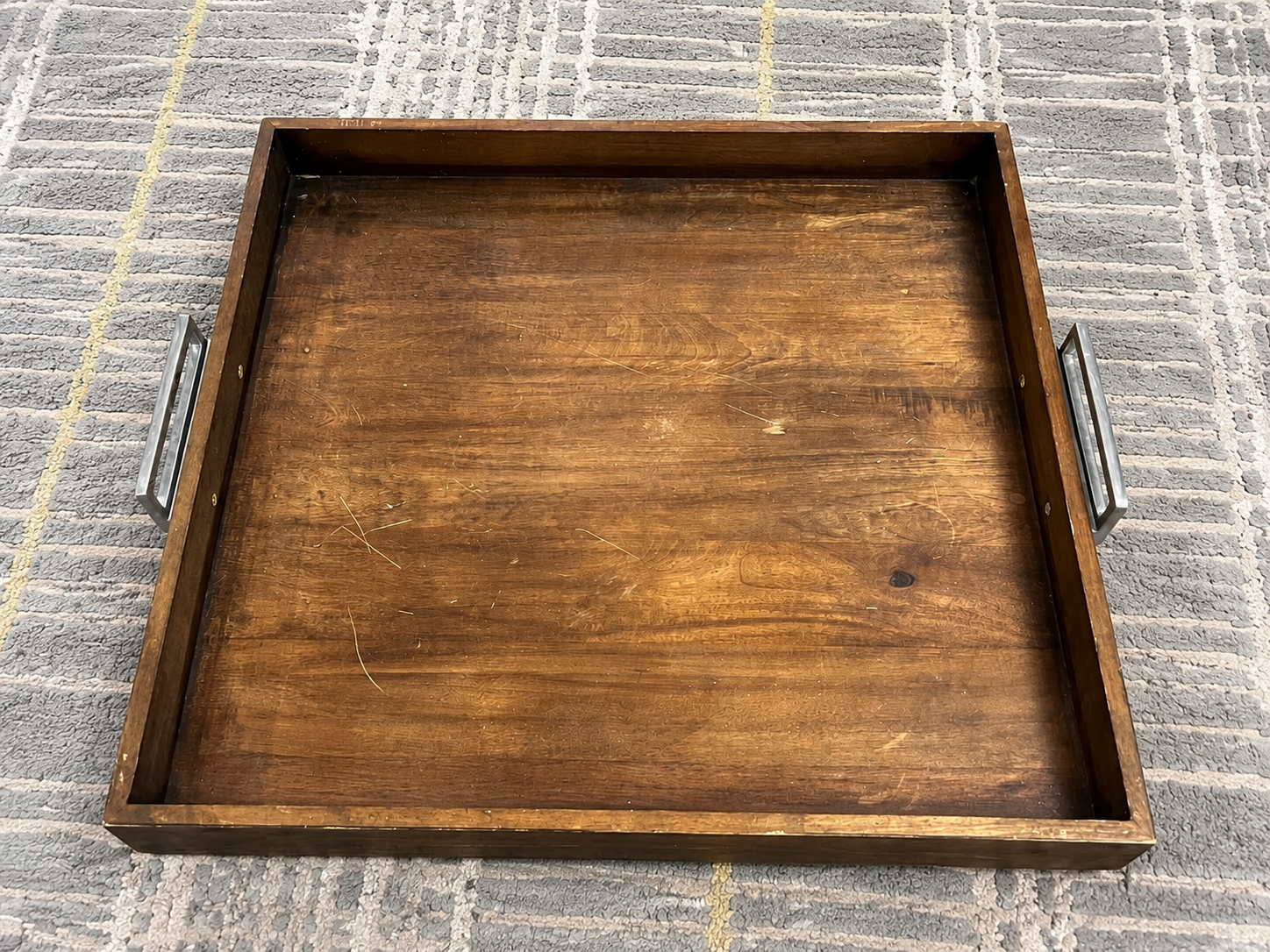
Certain things I simply cannot leave behind at Goodwill. Apparently, a giant solid-wood tray with a scratched-up finish and space-age chrome handles is one of them.
But in my defense…it was $10.
And underneath that tired finish was a 24" × 24" solid-wood tray. This thing was substantial. If you've ever shopped for an oversized solid-wood tray, you already know they don't usually come with a ten-dollar price tag. The tray itself was in good shape. It just needed someone to look past the scratches, the marred finish, and those handles that appeared ready to launch into orbit. Naturally, it came home with me. Leaving a two-foot-square solid-wood tray at Goodwill for ten bucks would have required a level of self-control I simply do not possess.
And then…
It sat in my workshop for four months.

Confessions of a Serial Arranger
It started with a vase. My best friend Amy made the innocent mistake of moving one from her mantel.
Now, you might think moving a vase is a fairly straightforward activity. You pick it up. You carry it somewhere else. You put it down. Clearly, you are not a serial arranger. Because a moved vase creates a spot on the mantel where the vase used to be. That spot could not possibly remain empty. Action is required.
You dutifully find something to fill the void. Except the something came from somewhere. Now that spot is empty. You see the dilemma, right?
I've Been Framed!
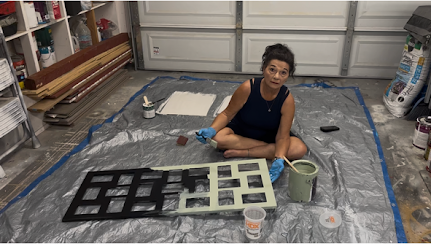
Sometimes I bring home a thrift-store find because I know exactly what I'm going to do with it. And sometimes I bring something home because it's $10, has good bones, and apparently, I have absolutely no ability to walk away from that combination. This oversized collage frame fell squarely into category number two. Read on to see what I actually came up with in this fun DIY/Craft Project!
DIY Botanical Artwork: When a Project Changes the Plan
Sometimes the Best Ideas Aren’t the Ones You Start With
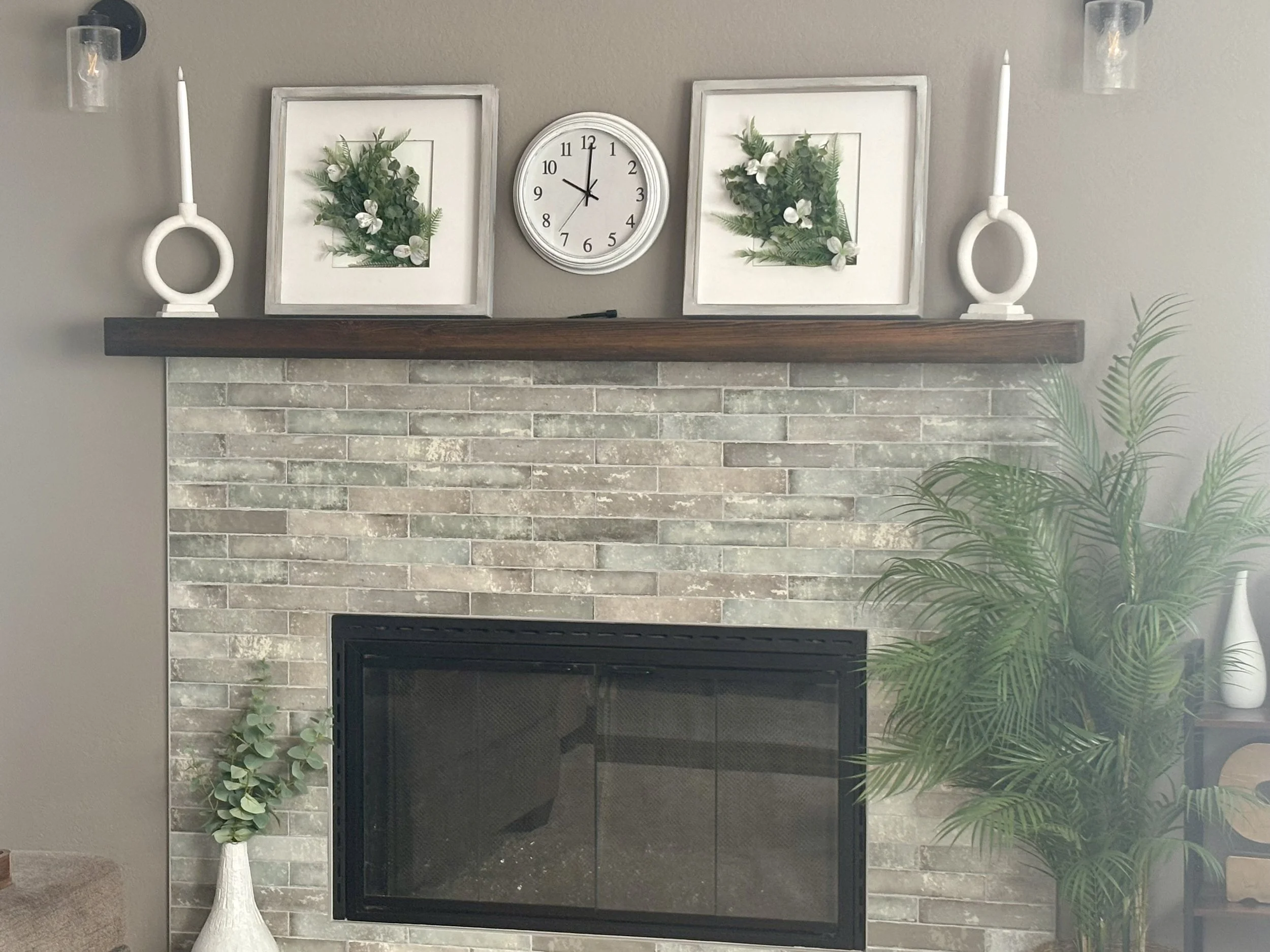
I wasn’t looking for botanical artwork project that day. I was simply doing what I usually do when I walk into a thrift store—looking for possibilities.
Tucked among the shelves were two square shadowbox-style frames. Though they were solid and came with mats and backing, their faux cherry finish had seen better days. However, they had potential (code for “This is probably going to take a lot longer than I’m telling Freddy.”)
Some projects begin with a detailed plan. Others begin with a thrift store find and a little curiosity.
Confessions of a DIY Addict
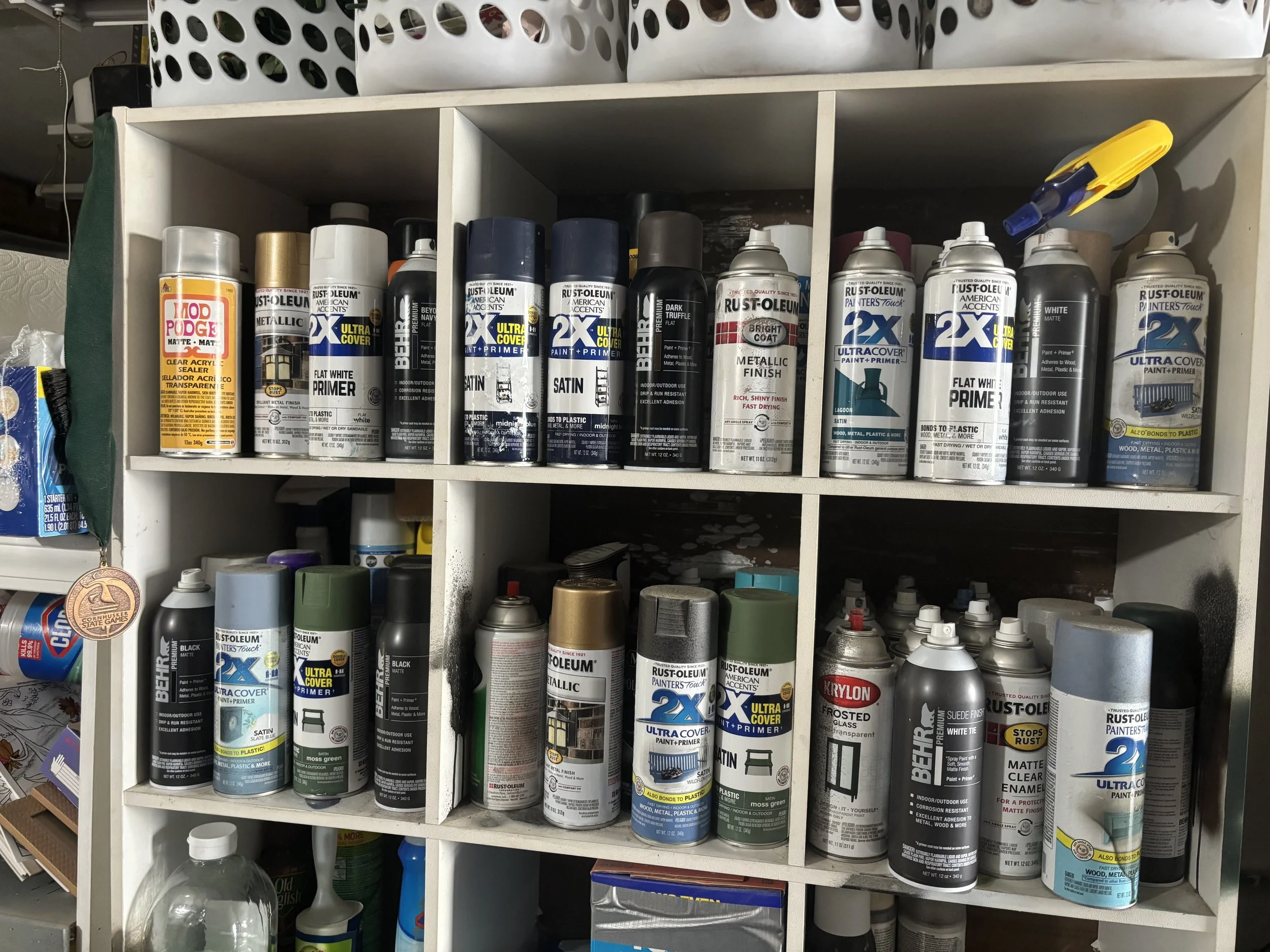
If you've been around this redesign space for a while, you've probably started to notice a few things about me. I can find possibility where other people see something past its prime. I own far more sandpaper than any reasonable person should. And somewhere along the way, spray paint became one of my favorite decorating tools.
So today, I thought it might be fun to share a few honest confessions from someone who's been happily covered in sawdust for more years than she'd probably care to admit.
The Question Was, "Do You Want This?"
"Do you want this?"
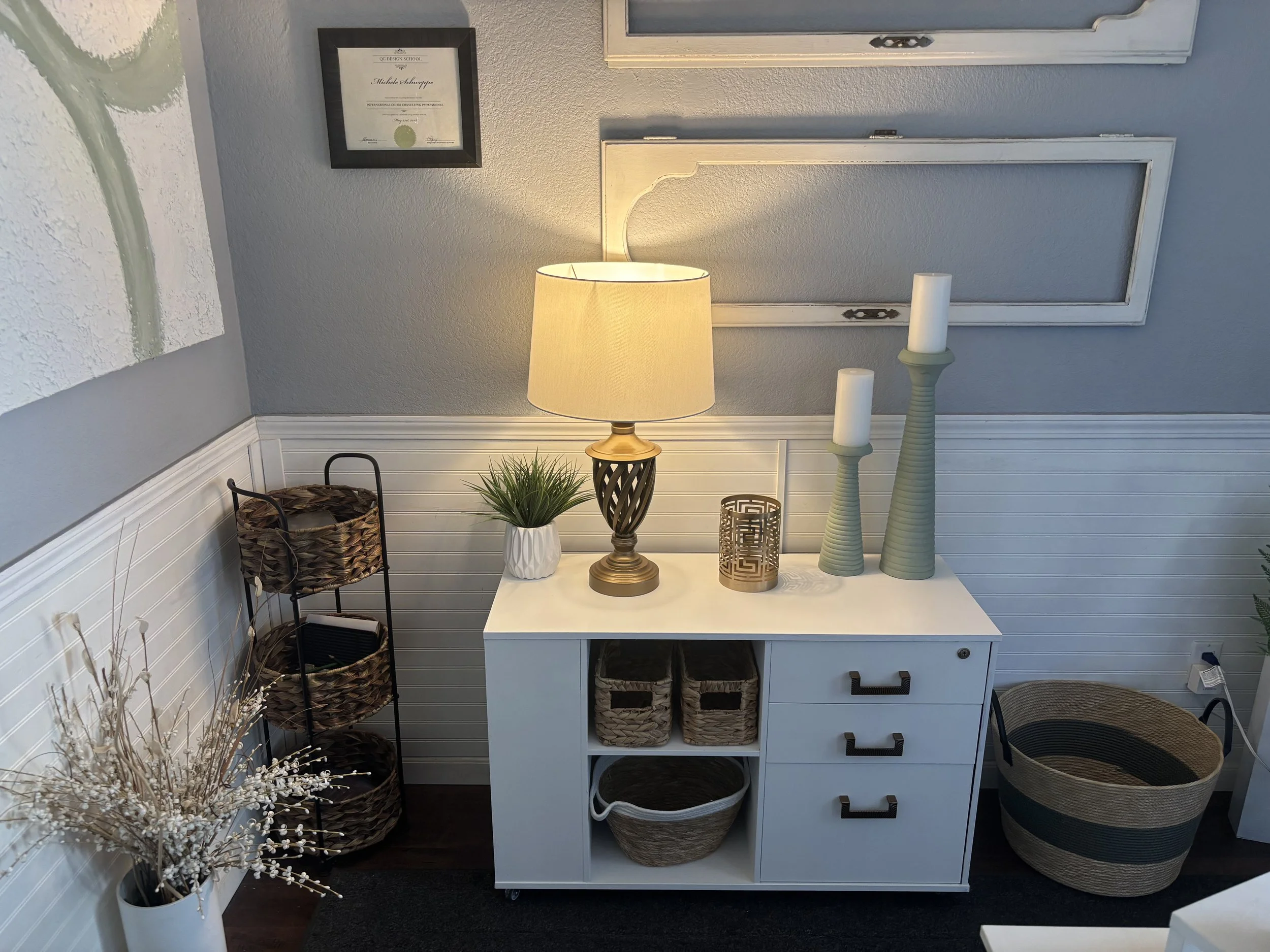
That was the text I received one afternoon from my daughter, along with a picture of a dark faux wood laminate credenza she no longer wanted. I looked at the photo for about one second before texting back, "Yes!"
The Kitchen Told the Whole Story
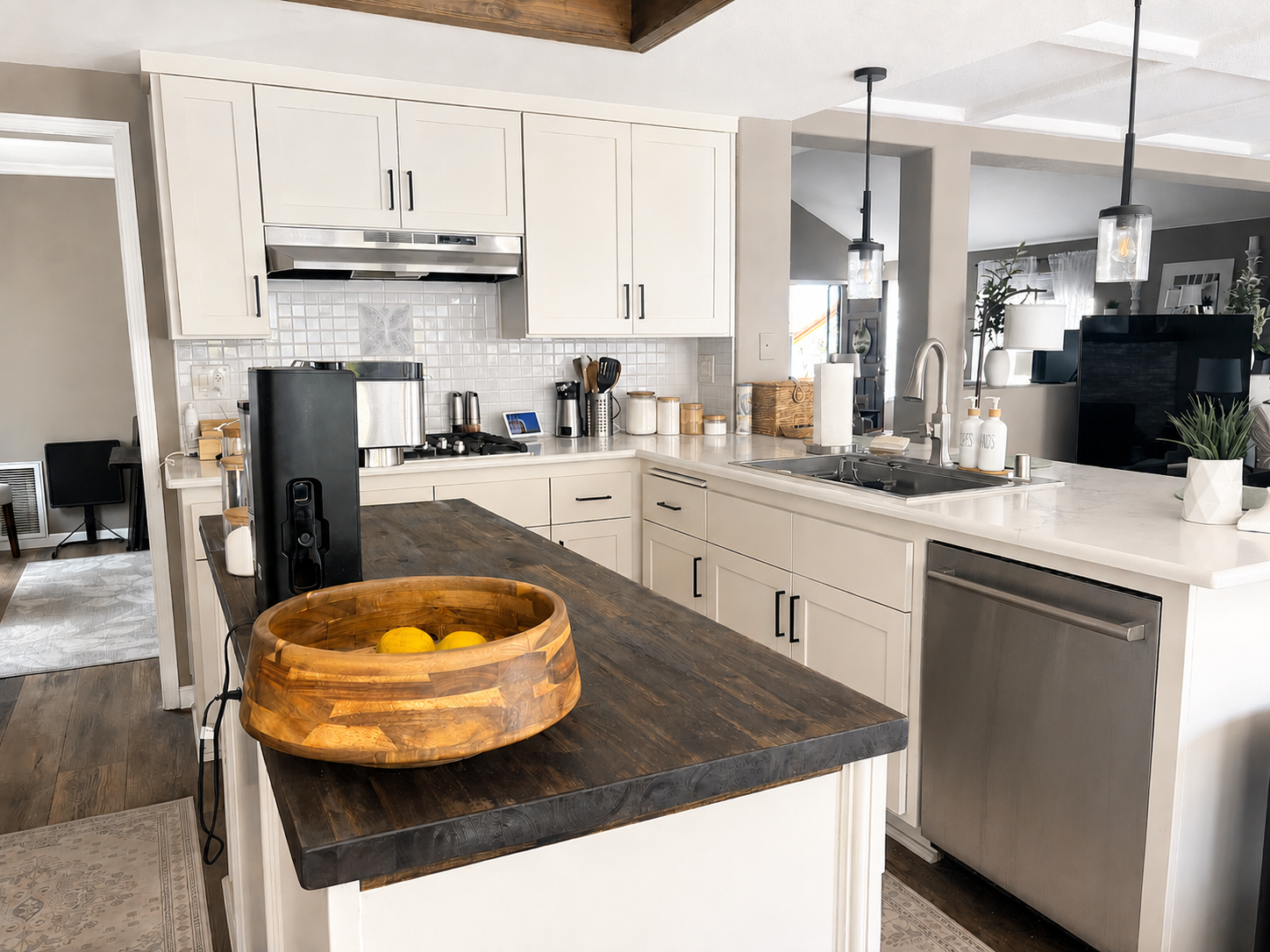
When we first moved into our house nearly nine years ago, the kitchen was the room that constantly reminded us just how much work the house needed. The appliances were original. Some barely worked, others worked inconsistently, and a few simply needed to go. Replacing them wasn’t about creating a dream kitchen yet. It was about function. About making the space usable for everyday life.
Layered Investment & Compounding Progress
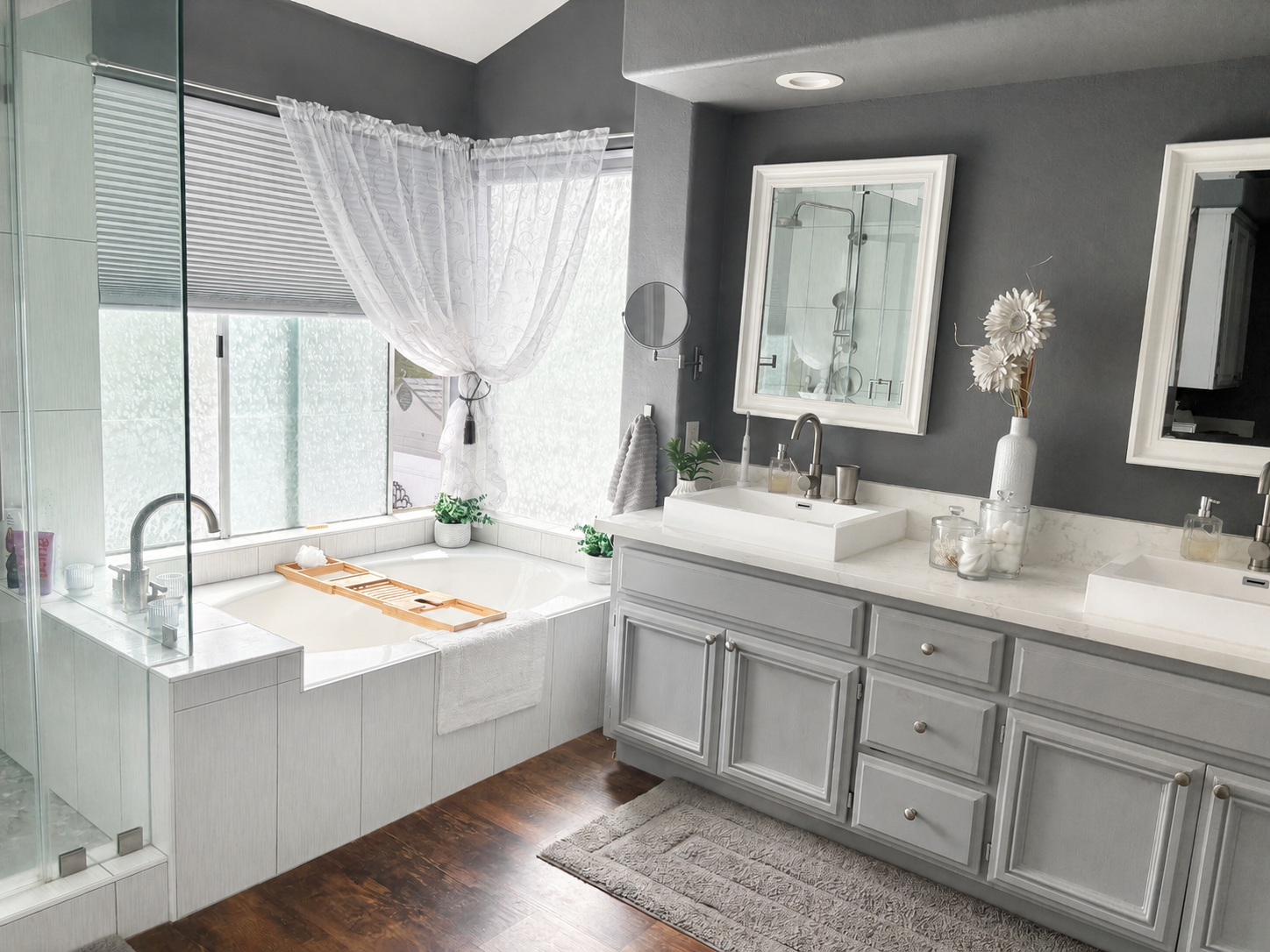
At some point in a long home journey, the small decisions, patient improvements, and thoughtful investments start building on top of one another in ways you can finally see and feel. Not overnight, and certainly not because life suddenly turns into a perfectly edited renovation show. But one completed project creates momentum for the next. Savings, patience, skillsets, and timing slowly begin aligning in ways they simply couldn’t during the earlier years of homeownership.
Yearly Reset Home Improvement Conversations
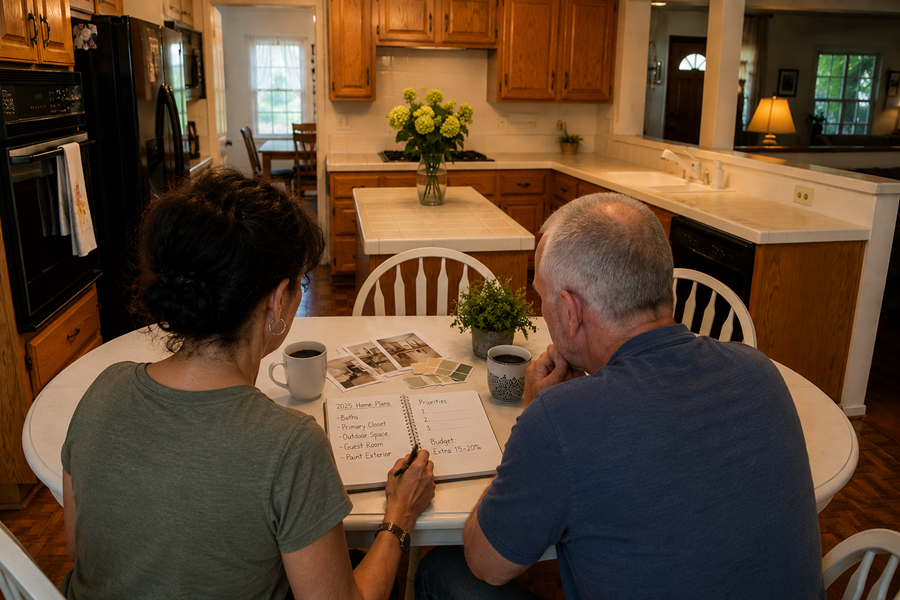
At an important point in our home journey, we learned that trying tackle everything at once was a quick way to create stress, overspend, and lose sight of why we were improving the house in the first place. There’s always another project waiting, and the wish list never fully disappears.
Realizing we couldn’t do everything all at once—financially, emotionally, or physically—we developed a habit that became incredibly important for us: yearly reset conversations. Nothing fancy. No complicated spreadsheets, just intentional conversations about what mattered most, what could realistically wait, what we could afford, and what season of life we were actually in.
Knowing When to Bring in a Professional
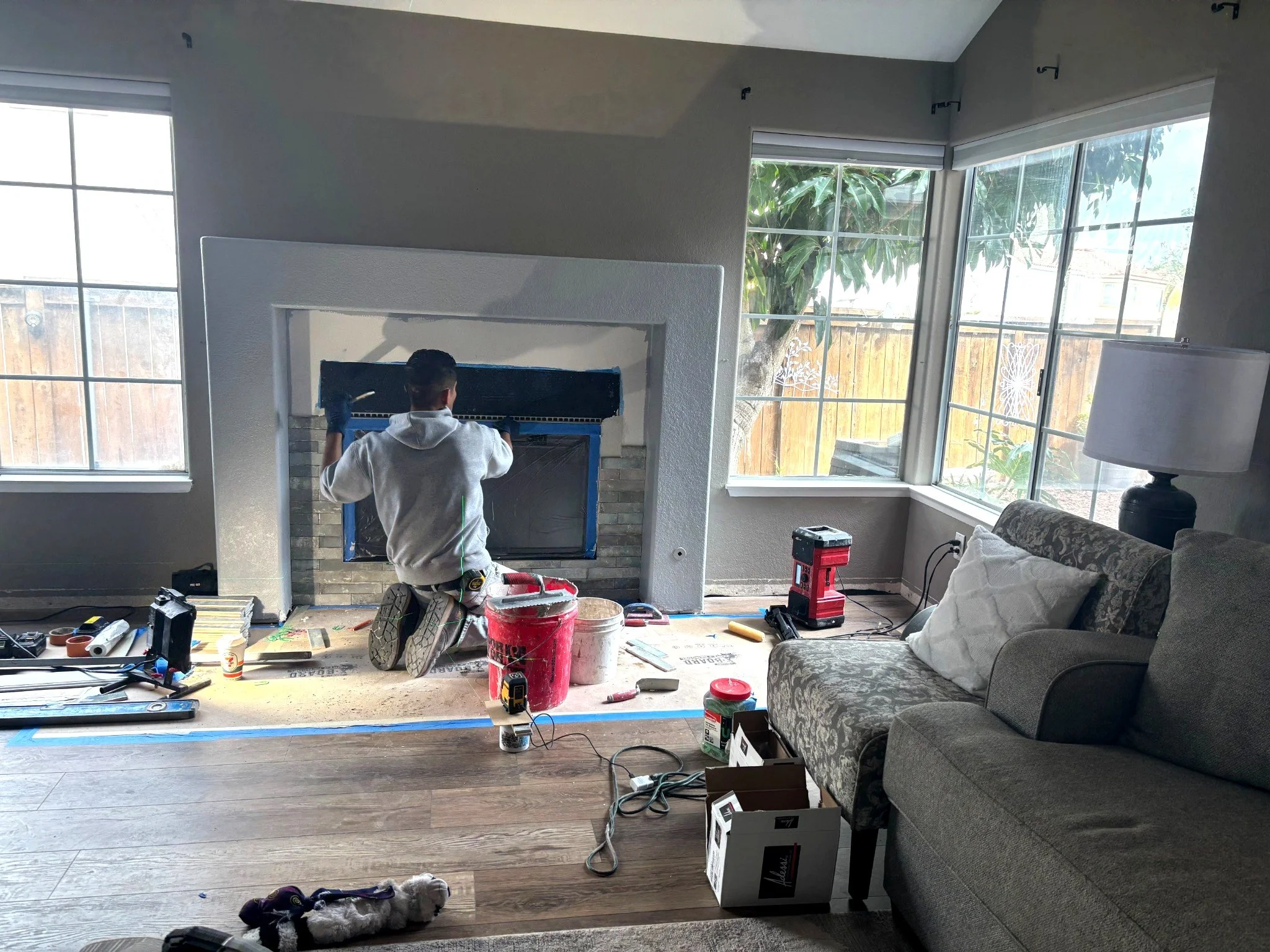
Like many homeowners trying to stretch a budget, we learned quickly that sweat equity could go a long way. We had tackled painting projects, refinished floors, sanded trim, and taken on countless smaller improvements in our home. And while it’s always deeply satisfying look at a project you completed with your own two hands, we also learned that not every project should become DIY. The challenge is how to make those tough choices.
When Effort Became Our Renovation Budget
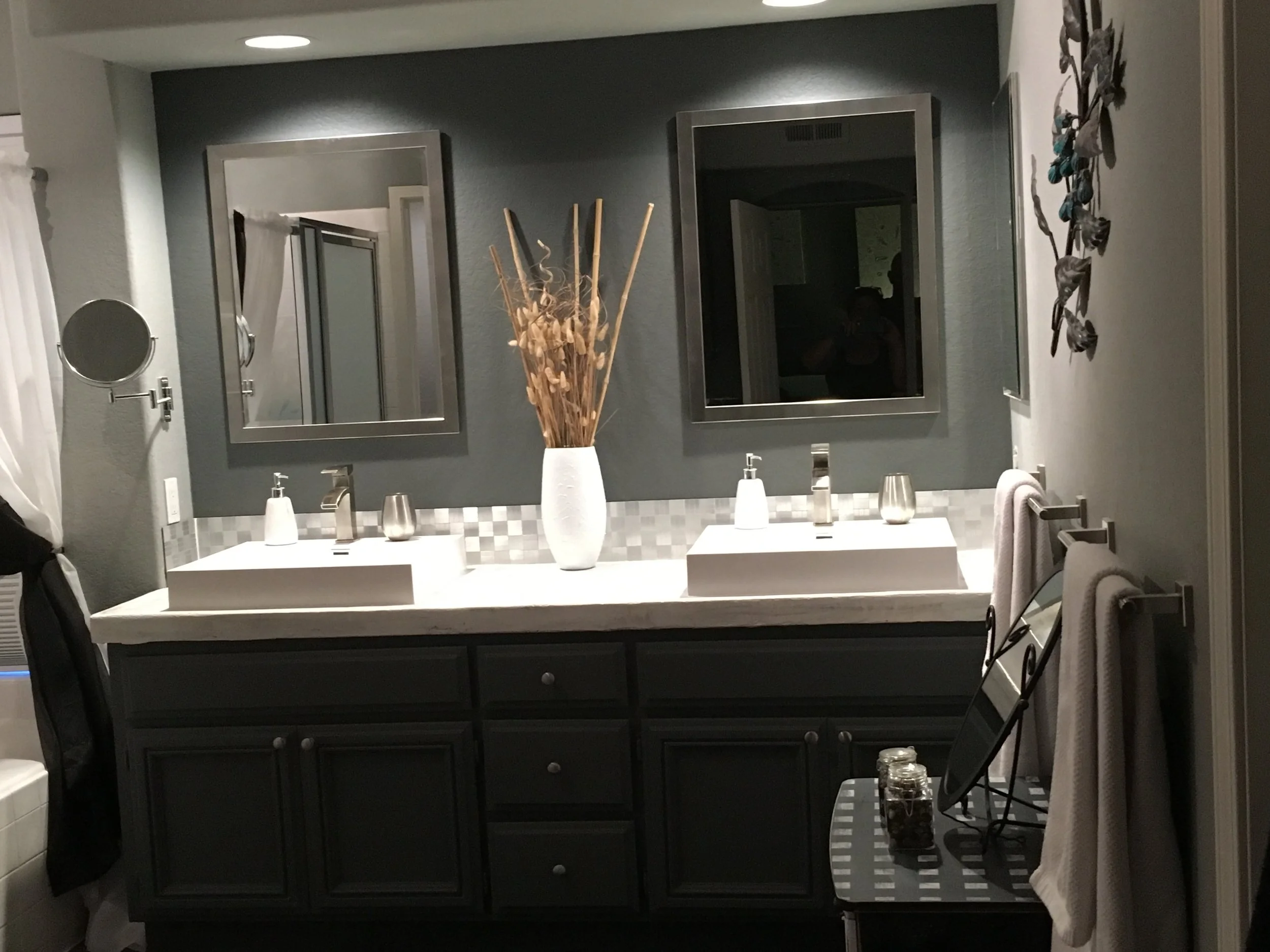
Once the dust settled and the pros had taken care of the major issues in our house, we were happy to achieve stability so we could turn our attention to the kinds of projects that make a house feel more like a home. But since our budget could only be stretched so far, the most important aspect of our budget became our own effort.
Don’t miss any design tips!
Subscribe to The Redesign Habit blog today for a weekly email of our latest posts.