
Something Feels Off: 5 Things To Check When a Room Isn’t Working
You know the feeling. You enter a room in your home and think something feels off.
Furniture is nice. Colors are fine. Accessories are well placed. You’ve fluffed the pillows within an inch of their lives, and maybe even wandered through HomeGoods hoping the answer would jump into your cart.
Yet the room still isn’t working.
When this happens, it’s helpful to put away your credit card. Often the solution isn’t to buy your way to a better place. I strongly recommend figuring out what’s causing that “something’s off” feeling in the first place. This blog provides a checklist for you to do exactly that.
Checklist for Fixing a Room that Feels “Off”:
1. Is the Room Designed to Match How You Use It?
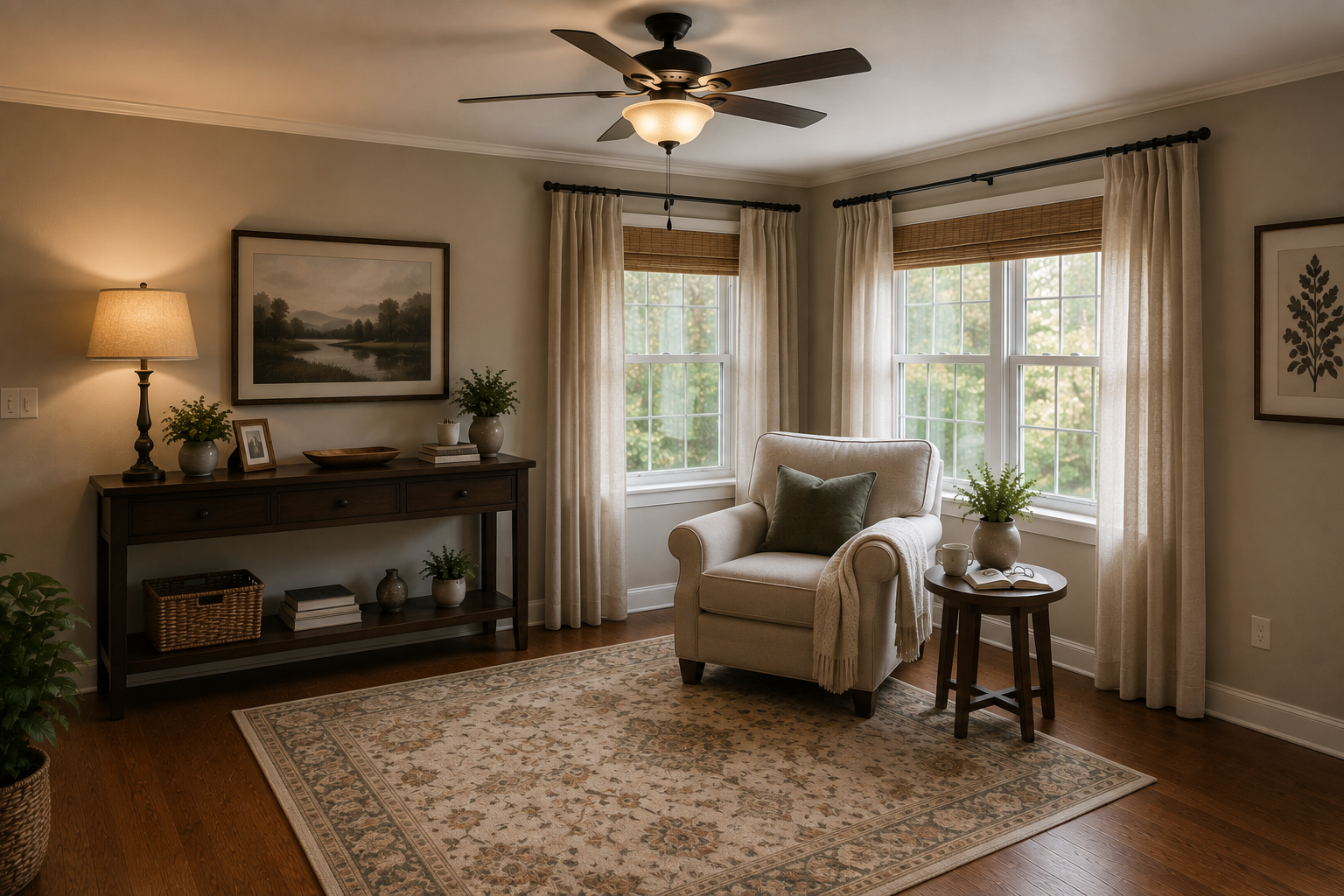
Before I worry about how a room looks, I look at how it works. Forget what the builder, realtor, or floor plan says the room should be and ask yourself how you need and want to use the room.
A dining room may double as homework central. A guest room may serve as an office. And your living room may need be used to entertain friends and for movie night with kids and dogs sprawled everywhere.
Look at the way you really live in the space, and how you might improve the room to level up how it’s used. Is there enough light where you need it? Are the things you use within easy reach? Can you move through the room comfortably?
Don’t just ask whether the room has enough light, ask whether you have the right type light right where you need it. If you read in that chair, is there a lamp nearby? Can you see what you’re doing at your desk or kitchen counter? Do you have softer lighting when you want the room to feel relaxed rather than lit up like an operating room?
A room can be beautiful and still not work very well. And when it doesn’t work for the people who live there, no amount of pretty pillows will fix the real problem.
2. Is Your Furniture Positioned to Work with the Room or Fight It?
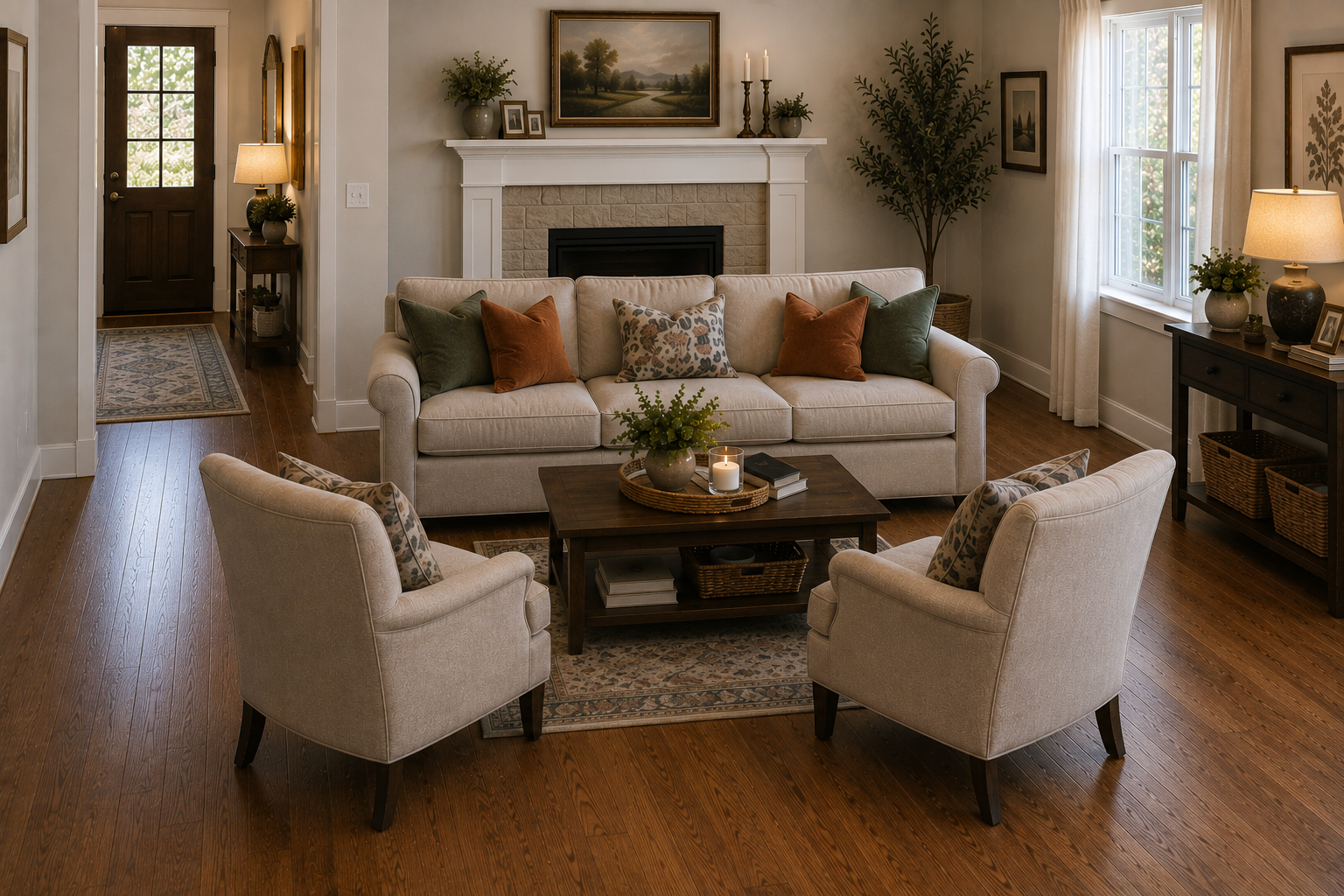
Once you determine what a room needs to do, assess your furniture placement.
Can you move easily through the room, or are you constantly walking around something? Does the furniture invite you into the space, or does it create a barrier as you enter? Are chairs close enough for conversation? Is everything pushed against the walls simply because that’s that seems like what you’re supposed to do?
Your furniture may work extremely well, but just not where you’ve put it.
Try looking at the room with fresh eyes. Pull a chair away from the wall. Turn the rug. Move a table. Even shifting a sofa a few inches can change the way a room feels and functions.
3. Where Does Your Eye Go First?
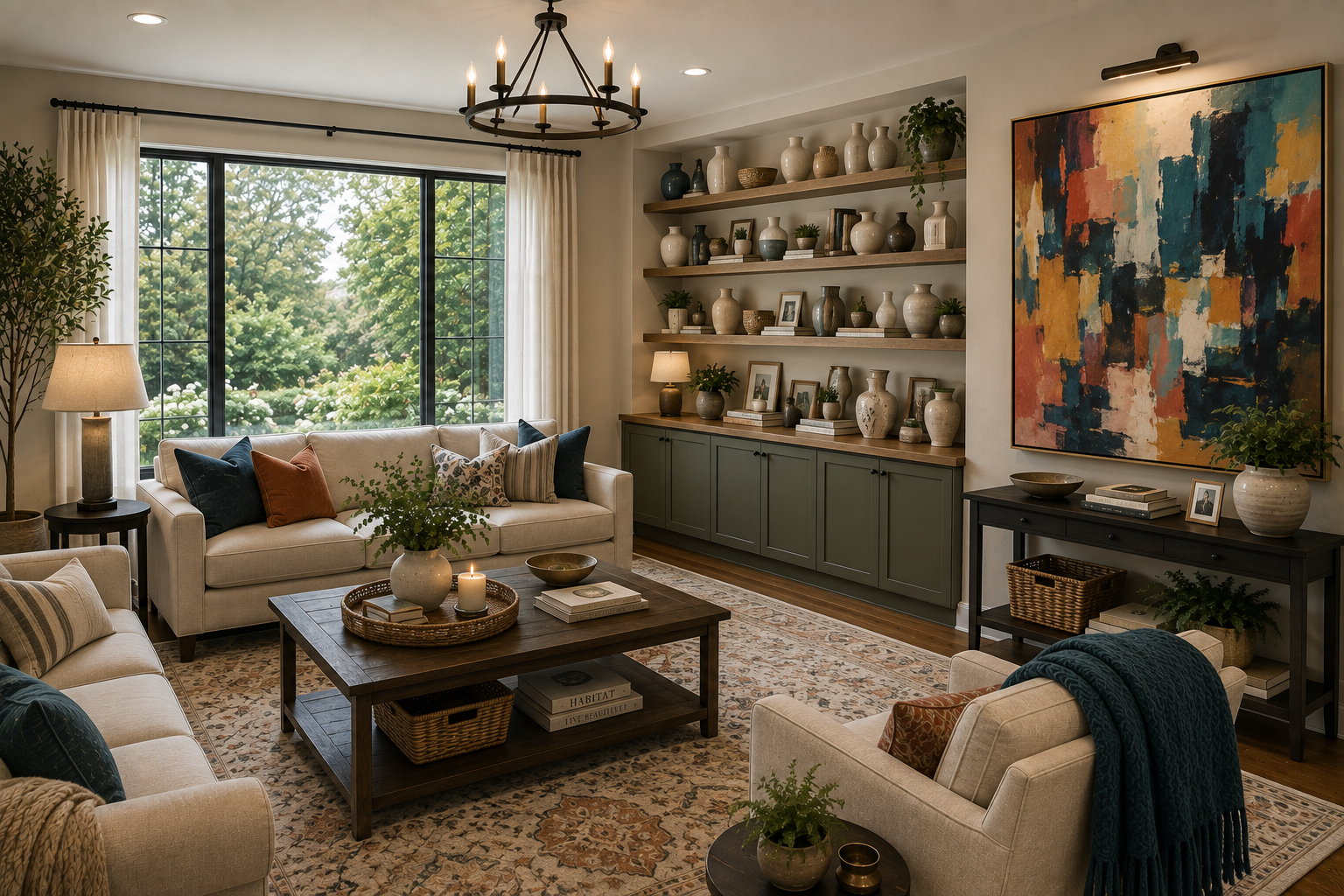
Here’s an easy test: walk out of the room, then walk back in and pay attention to where your vision is naturally drawn. Now ask if that’s a good thing.
If your gaze settles on a focal point -- a beautiful fireplace, a favorite piece of art, or a great view out the window -- perfect. No problem. But your attention may be drawn to the television, a cluttered bookcase, or that awkward empty wall you’ve been meaning to do something about for three years?
Every room has something that grabs your attention. The trick is making sure it’s the thing you want people to notice.
The solution might involve creating a bold focal point or clarifying an existing one with artwork, color, lighting, or furniture placement. Sometimes simply removing or quieting down something that’s competing for attention is enough.
And if you walk into the room and your eye doesn’t know where to go at all? That’s a clue, too. Not everything in a room needs to grab your attention. Decide what you want people to notice first, then let everything else play a supporting role.
4. Is the Scale Right for the Room?
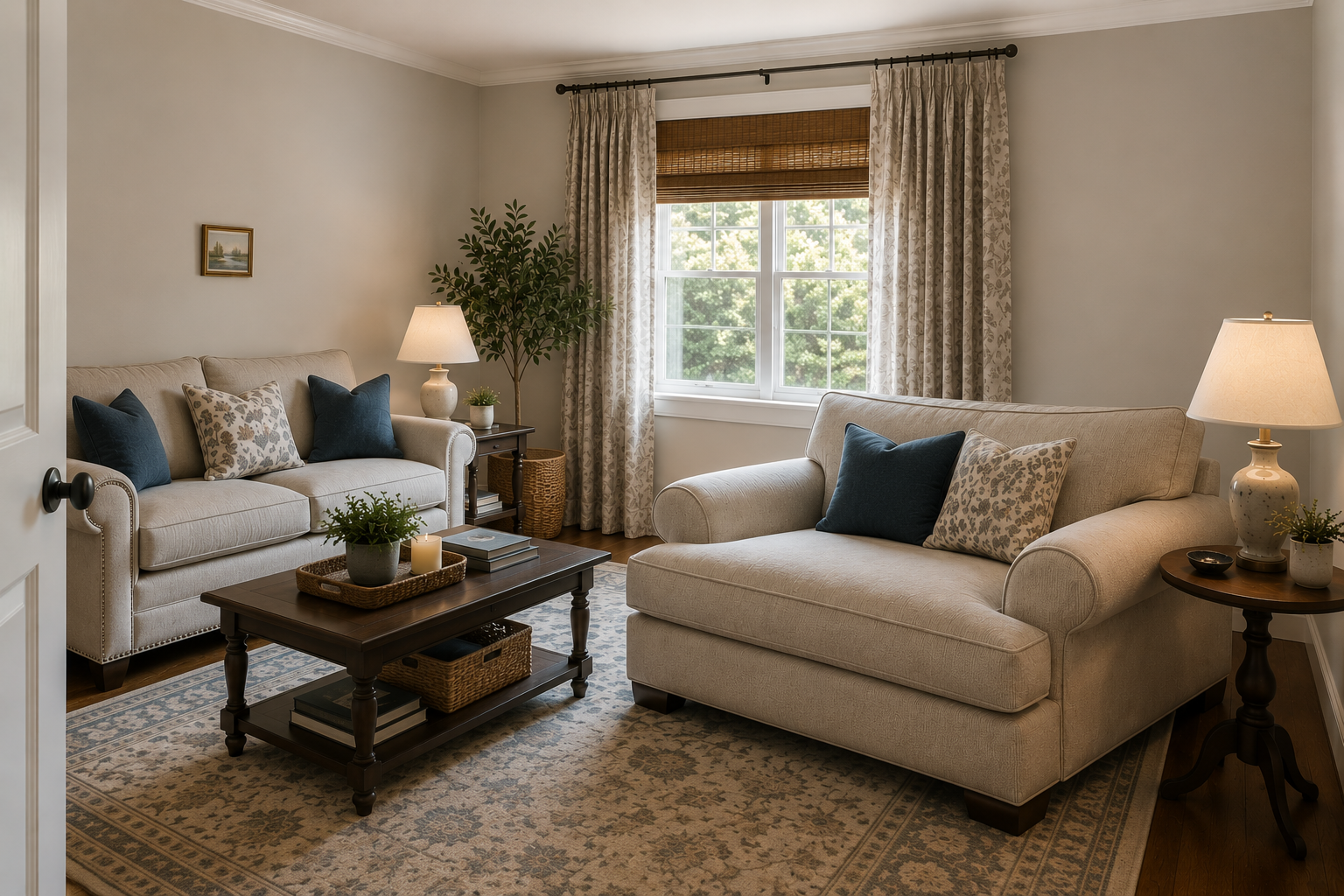
Next, consider scale, the often overlooked issue. Scale isn’t simply about whether the items in your space are big or small. It’s about whether their size makes sense in relationship to the room and everything around it.
You’ve probably heard the advice that you shouldn’t be afraid to use large-scale furniture in a small room. And that’s true—to a point. A substantial sofa may work beautifully in a smaller living room. But if it leaves you with twelve inches of walkway, no room for a side table, and everyone has to vault over the ottoman to sit down, you may have a problem.
The opposite can be just as troublesome. A tiny rug under a large seating arrangement, a little piece of artwork floating above a long sofa, or several undersized pieces of furniture can make a room feel disconnected and awkward.
Instead of asking, “Is this too big?” or “Is this too small?” look at the whole room. Do the items leave enough space for the room to function well? Does everything feel in proportion to the look and feel you want to create?
As a reminder: it’s your space, so ultimately you should make decisions on what feels right to you. Yes, you can put an big, overstuffed chair in a tiny room. Just be prepared to enjoy it with your one side table, and little else.
5. Is the Visual Weight Balanced?
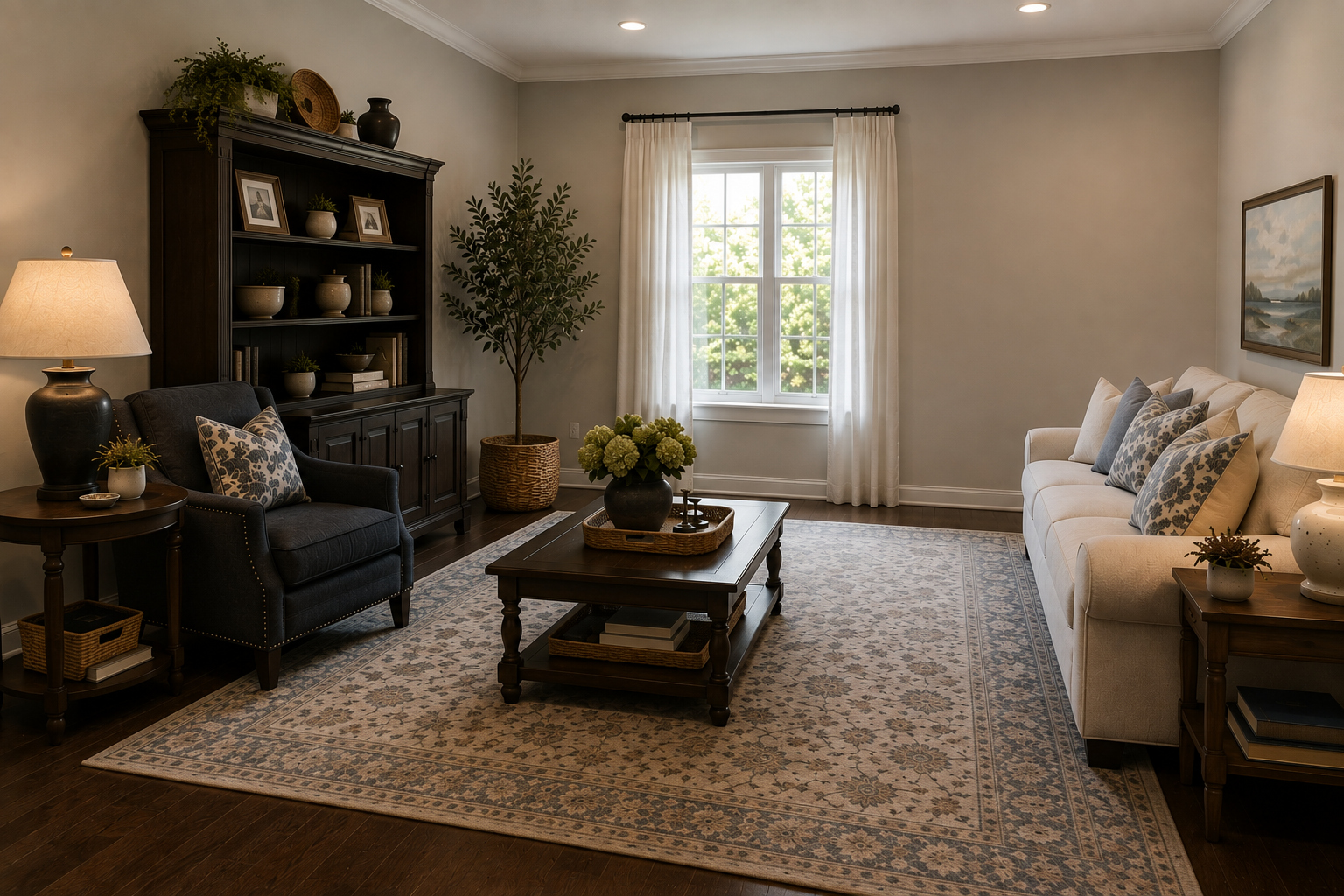
A room can technically have everything it needs and still feel strangely lopsided or heavy.
Color is one place that often plays a role. If you have a dark floor with several pieces of dark furniture, the whole bottom of the room can feel heavy. Sometimes adding a lighter colored rug is all it takes to break things up and restore balance.
Accent colors matter, too. If all of your blue, green, red—or whatever color you’re using—is clustered on one side of the room, you room will likely feel off. Try repeating that color in small amounts throughout the space so it feels connected rather than concentrated in one spot.
Furniture placement can create a similar problem. I often see several large pieces lined up along one wall with very little to balance them on the other side. This happens especially in open floor plans, where wall space is lacking. Remember, furniture doesn’t have to live against a wall. Pulling a chair, sofa, or table farther into the room can help distribute that visual weight and make the entire space feel more balanced.
Balance doesn’t mean both sides of the room need to match. It simply means one side shouldn’t feel like it’s doing all the heavy lifting.
Final Thoughts
The next time you walk into a room and think that something feels off, resist the urge to immediately shop for the solution—as fun as that can be. Good design isn’t about constantly adding more. It’s about making thoughtful choices that help your home work better, feel better, and feel more like you.
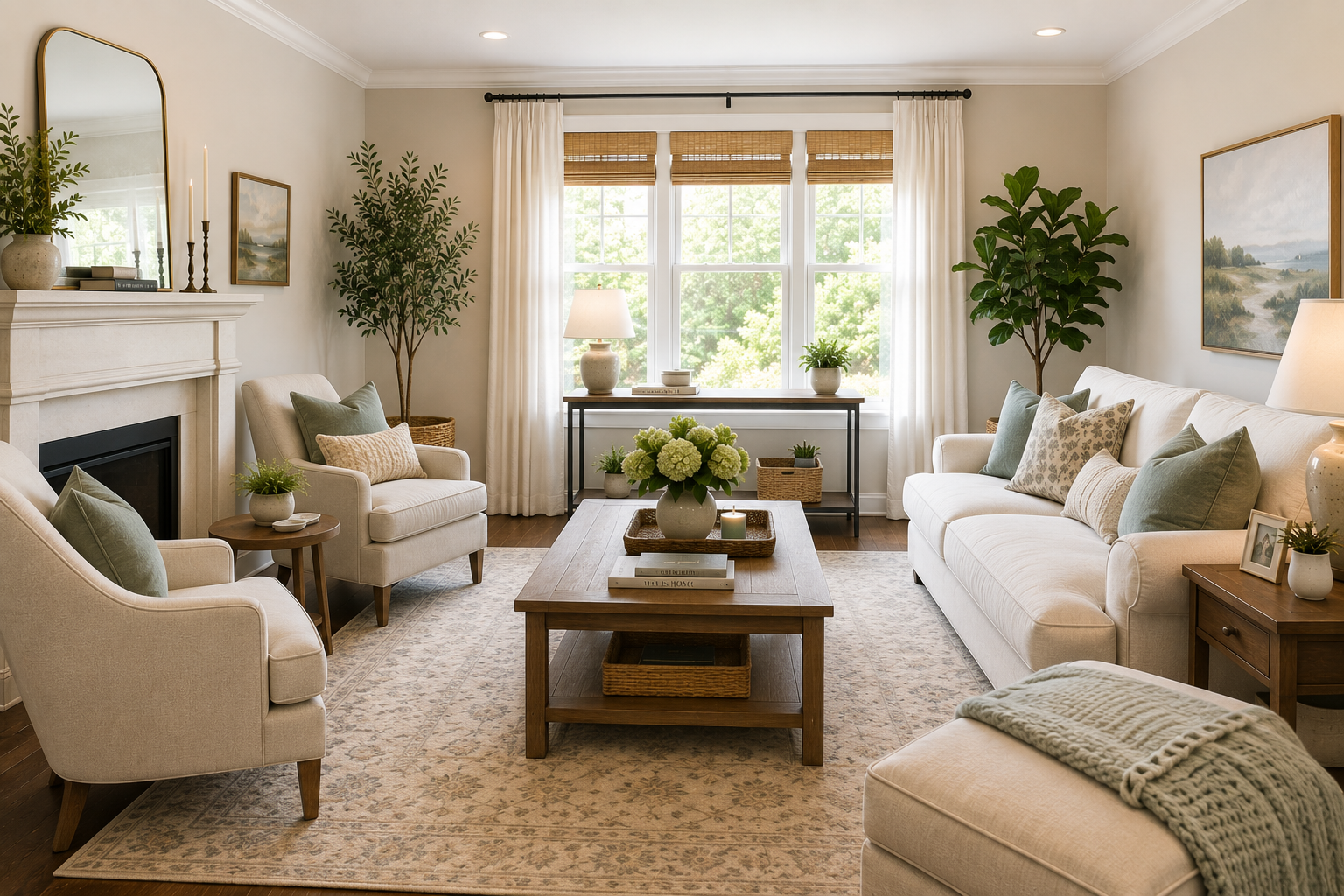
So when something feels off, remember to diagnose it first. Use this checklist to create a solid plan to make your space feels “all on.”
Now, what will you do next to love where you live?
Be sure to visit The Redesign Habit to share your redesign stories or reach out with your questions. We’d love to hear what you’re working on.
For more great stories and ideas please follow us on Facebook, Instagram, and subscribe to our YouTube Channel.