The House Didn’t Let You Down — It’s Just Asking for a Different Approach
There’s a moment that often sneaks up on you after you move in. It isn’t dramatic. No tears in the driveway. No immediate regret. It’s quieter than that. It usually sounds something like:
“Oh… this is going to take more than I expected.”
You notice it once the boxes are unpacked and the house starts to feel less new. When daily life settles in. When the project list grows longer — and somehow less straightforward — than you imagined during those early walk-throughs.
And that’s often when doubt starts to whisper. But here’s the truth of the matter:
the house didn’t let you down — it’s just asking for a different approach. That realization doesn’t mean you made the wrong choice. It simply means you’ve moved from expectation into experience. And while that shift can feel uncomfortable at first, it’s also where real understanding begins.
When expectations meet real life
Most of us arrive at a new home carrying a mental picture of how things will unfold. We expect a few cosmetic updates. Some manageable projects. A short list that feels reasonable — even motivating. So when reality shows up with a longer, more complicated to-do list, it can feel as though the house changed the rules somewhere along the way. (It didn’t. It just waited until you moved in.) What actually changed is simpler than that: you stopped imagining the house and started living in it. And those two experiences are never the same.
This isn’t disappointment — it’s adjustment
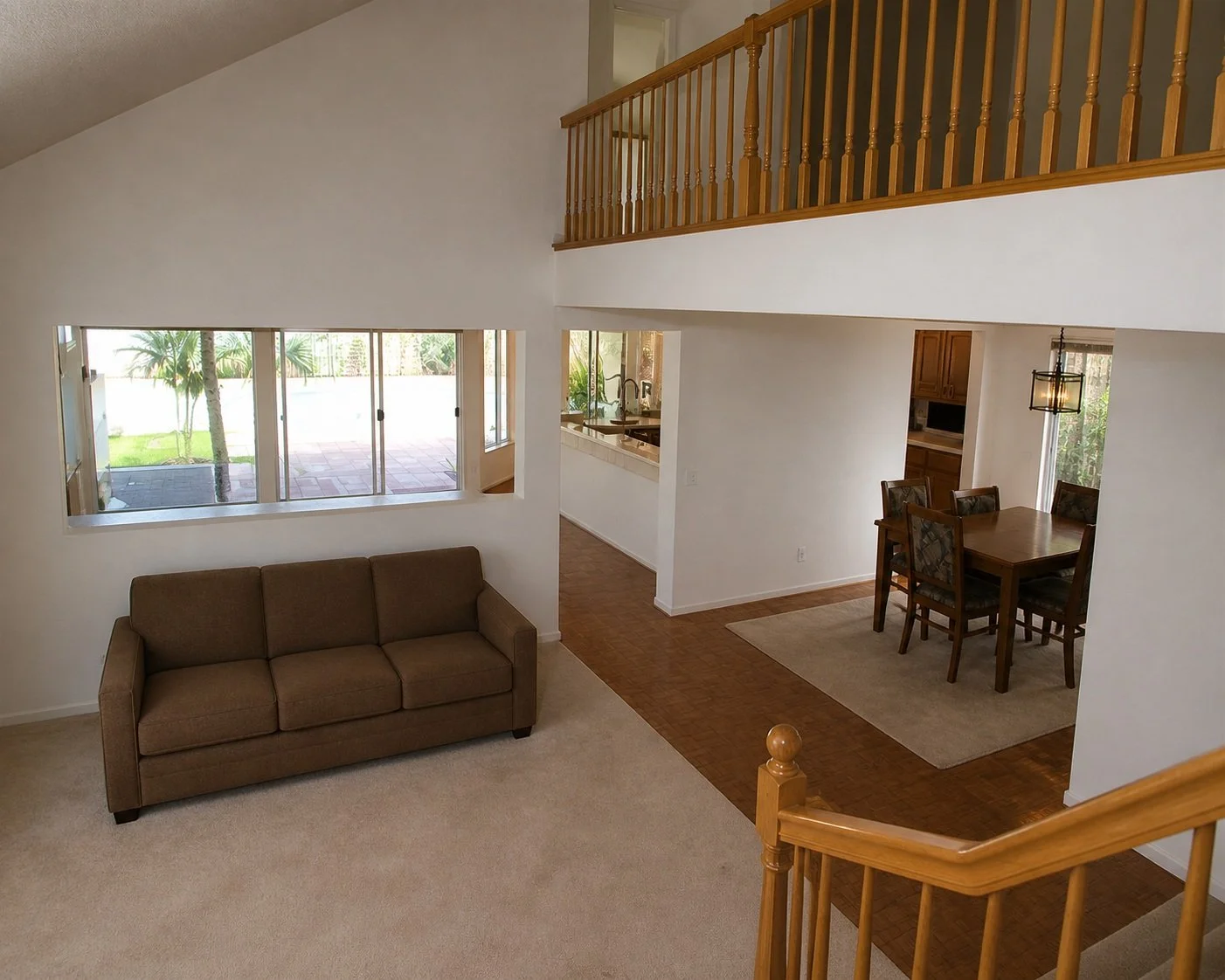
Expectations are built on best guesses. On floor plans and open houses. On how we think our lives will fit inside a space. Living in a house has a way of rearranging those assumptions.
You begin to notice which rooms carry the most weight in your day. Which spaces support your routines — and which quietly resist them. What truly affects how your home feels… and what only looked important at first. That isn’t failure. It’s information. And it’s the kind you can only get by living there.
This is where the approach begins to shift
Once you realize the house is asking for something different, the work itself begins to change. It stops being about fixing everything. And starts being about understanding what matters most.
Instead of rushing to make the house match your original plan, you begin to observe:
– what needs attention now
– what can wait
– and what might not matter nearly as much as you thought
Clarity doesn’t arrive all at once.
It shows up little by little as you live your life and begin to notice what works… and what doesn’t. And that’s exactly how it’s supposed to work.
Working with the house, not against it
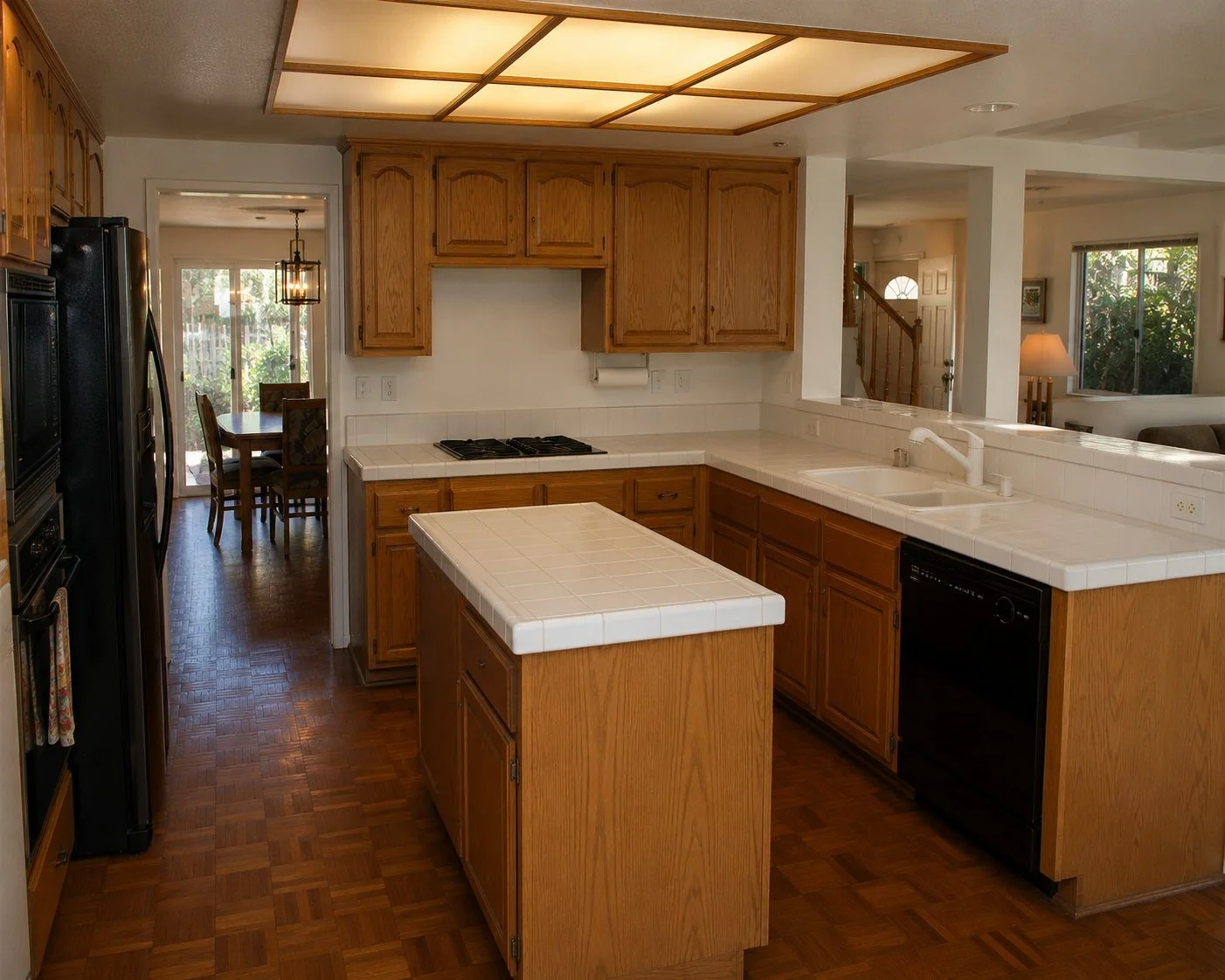
A house that asks for a different approach isn’t asking you to do more. More often, it’s asking you to slow down. To let go of the idea that progress only counts if it’s visible.
To recognize that learning how your home supports — or complicates — your daily life is progress, too.
Some decisions become obvious after a little time has passed. Others quietly lose their urgency once you realize they don’t actually affect how you live. Over time, the house begins to show you where to focus — not through pressure, but through daily life. And when you allow that process to unfold, the work feels less overwhelming… and far more meaningful.
If you’re living in a home right now that feels like more than you anticipated, I want you to understand that you didn’t choose wrong. You’re simply in the adjustment phase — the part where expectations shift and true understanding begins.
This is where you start to see your house for what it truly is, not what you imagined it would be. And that understanding will quietly guide every decision that comes next. Because the goal isn’t to rush your house into becoming something else. It’s to let it become a home that supports your life. And that kind of home — one that works with you instead of against you — is always worth the time it takes to get there.

A gentle next step
If your house is asking for a different approach, start here: Instead of asking, “What should I fix first?” Try asking, “What is this house showing me right now?” It’s a small shift — but it often changes everything.
Over the next few weeks, I’ll be sharing more about what it looks like to work with your home — how to prioritize when everything feels unfinished, why time is one of the most powerful design tools you have, and how progress doesn’t have to mean perfection.
Because homes aren’t meant to come together all at once.
They’re meant to grow with us — until, one day, we look around and think, “yes, we made it, and it’s everything we hoped it would be.
Now, what will you do next to love where you live?
Be sure to visit The Redesign Habit to share your redesign stories or reach out with your questions. We’d love to hear what you’re working on.
For more great stories and ideas please follow us on Facebook, Instagram, and subscribe to our YouTube Channel.