Active Standing — The First Step to Understanding Your Space
Sometimes you walk into a room and immediately feel…not much of anything. Nothing’s technically “wrong,” yet something’s definitely not as it should be. Before you blame the sofa, the wall color, or the lamp that never quite fit in, let’s slow things down.
Every good redesign—big or small—starts with clarity. Not scrolling. Not shopping. And not rearranging furniture at 11 p.m. because inspiration struck (we’ve all been there). It starts with seeing your space exactly as it is.
And the best way to do that is through something I call Active Standing.
What Is Active Standing?
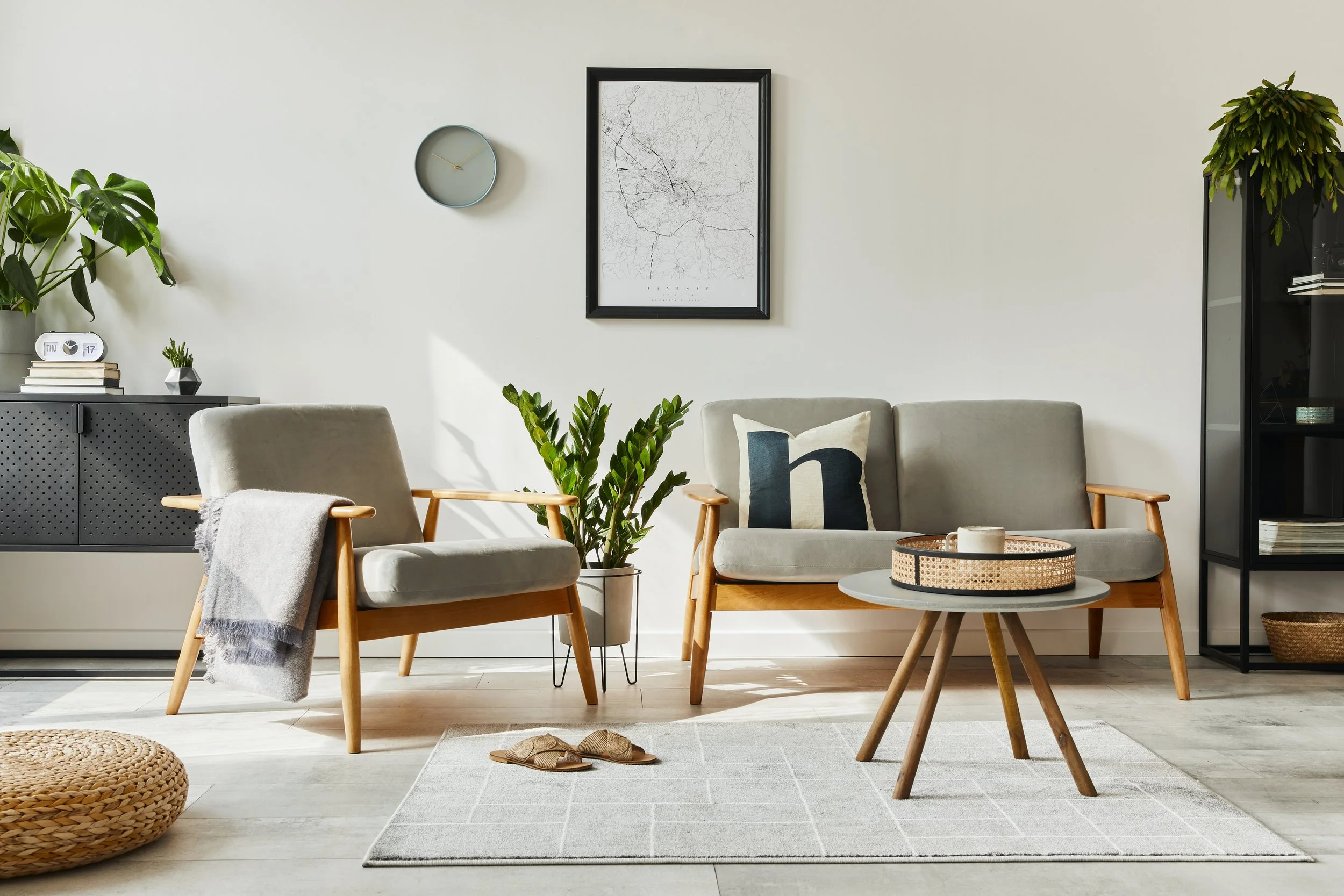
Active Standing is a simple, powerful awareness exercise that helps you understand your room before you try to change it. It’s part observation, part honesty, part “home therapy session,” and I promise—it’s the foundation of every successful redesign.
Step 1: Stand in the Center of the Room
Not in the doorway. Not leaning on the kitchen island. Not perched on the arm of a chair. Go to the middle and stand there. Plant yourself. Own the space for a minute.
Step 2: Slowly Turn in a Full Circle
And I do mean slowly. Be your very best “graceful lighthouse” as you let your eyes take their time.
Step 3: Notice Everything—No Judgment
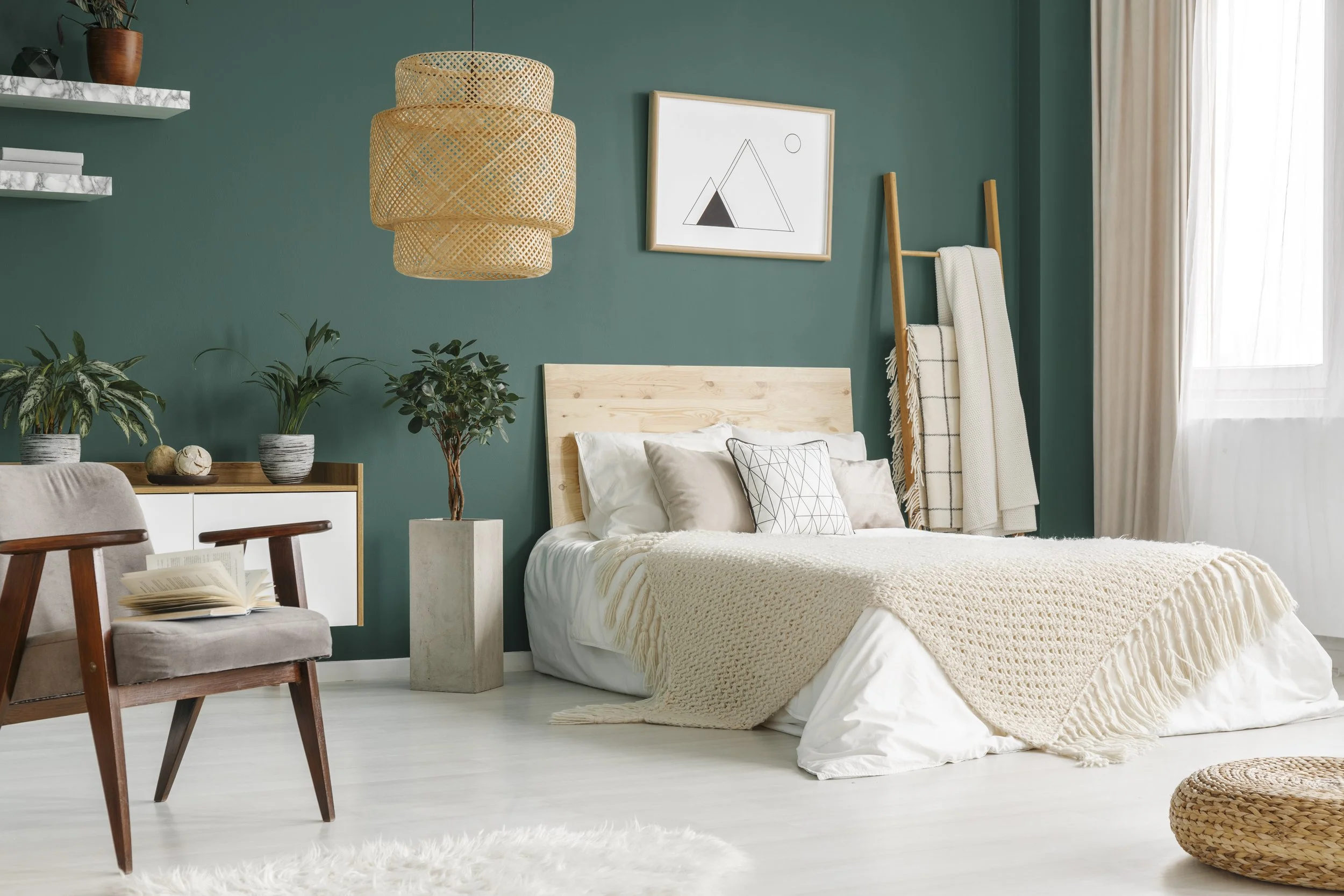
Let your brain assess:
- That corner you avoid
- The traffic jam by the doorway
- The beautiful light above the sofa
- The furniture you swear is shrinking the room
- The clutter magnet you didn’t mean to create
- The little things you actually really like now that you’re paying attention
This isn’t about shaming your home (or yourself). It’s about clarity, awareness, and seeing the room for what it really is. The good, the bad, and the pleasantly surprising.
Step 4: Record What You See and Feel
Use whatever’s easiest:
- A voice memo
- A quick video
- Notes in your project notebook
- Photos of problem spots
Don’t organize it. Don’t analyze it. Just capture it.
We’ll use these observations in next week’s blog, so log this away as your mental “before” picture.
Why This Matters More Than You Think
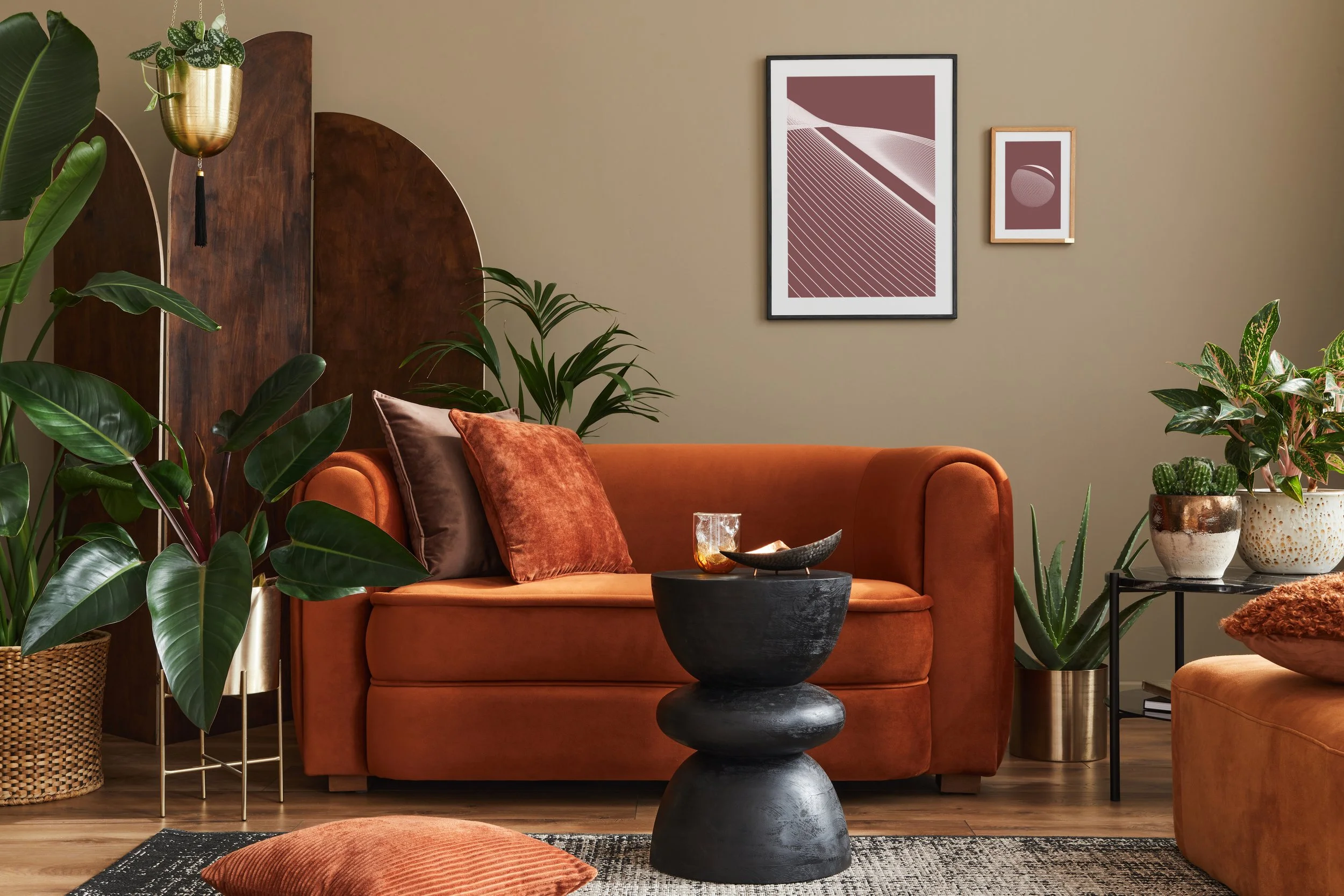
If you skip this step—and most people do—you end up trying to redesign the room based on assumptions, impulses, or Pinterest fantasies.
That’s how people end up:
- buying rugs that don’t fit
- arranging furniture based on guesswork
- chasing trends that don’t solve actual issues
- decorating symptoms instead of addressing actual problems
Active Standing stops all of that. It shows you what the room needs before you get distracted by what you want.
It’s the ultimate clarity tool: simple, truthful, and incredibly grounding.
Call to Action
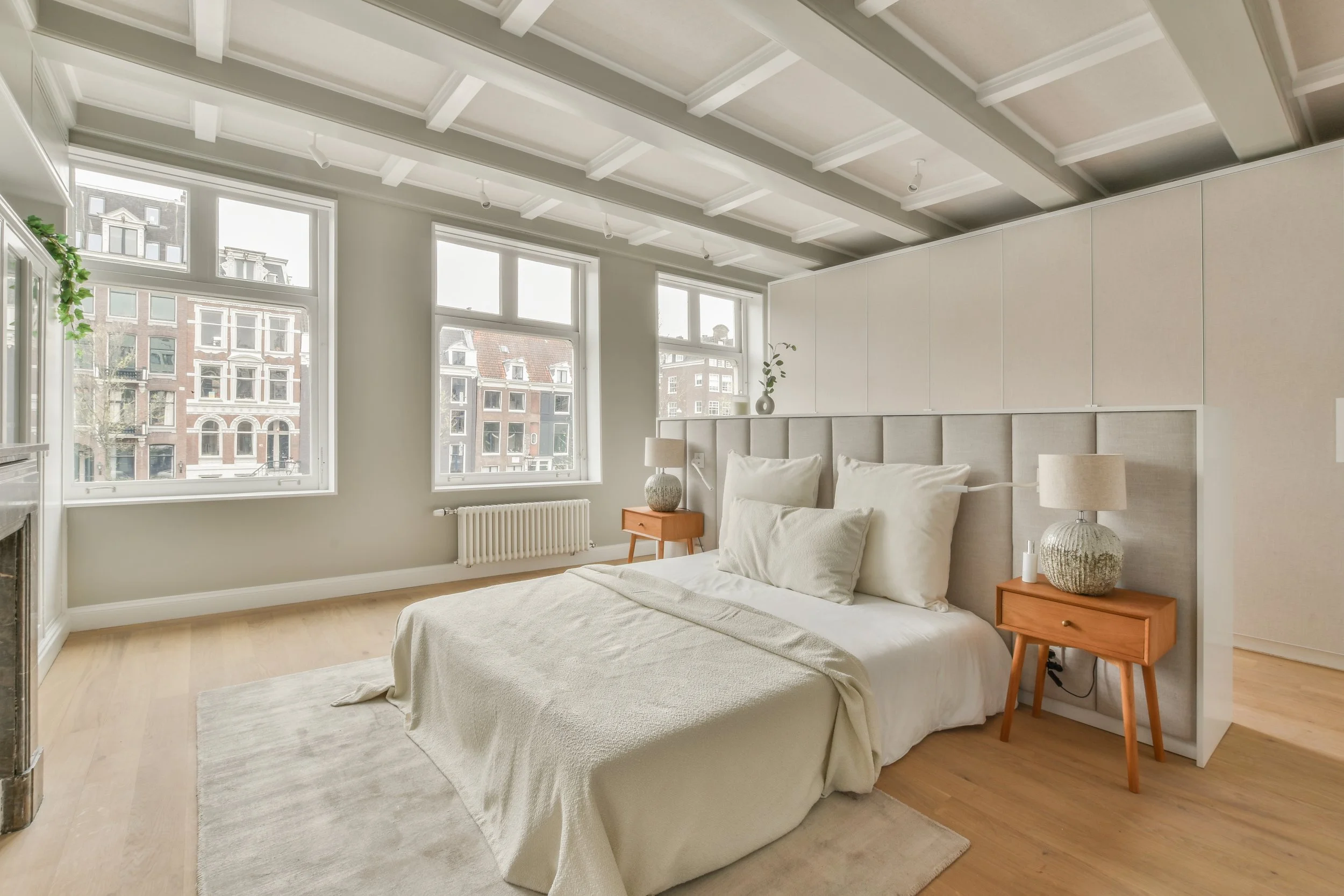
Take 10 minutes today to do your Active Standing session. Record everything you notice—big, small, weird, or wonderful. Then bring your notes back next week. We’re going to decode them together and figure out what your home actually needs (and what it doesn’t).
This is the beginning—the moment where you stop guessing and start truly seeing your space. And next week, you’ll learn how to turn these observations into the foundation of your redesign plan.
Now, what will you do next to love where you live?
Be sure to visit The Redesign Habit to share your redesign stories or reach out with your questions. We’d love to hear what you’re working on.
For more great stories and ideas please follow us on Facebook, Instagram, and subscribe to our YouTube Channel.