What Your Space Needs (Not Just What Looks Fun on Pinterest)
If you completed last week’s Active Standing exercise, you’re already ahead of 90% of people who try to redesign a room. Most folks skip straight to buying things or stress out Googling “living room ideas” at midnight, then wonder why things don’t fit, function, or feel right.
For Active Standing, you stood in the center of your room and let the space tell you what needs to change. Now let’s decode what you saw. This week, we’ll turn your observations into clarity about what your home actually needs, or just wants, and how to tell the difference.
Step 1: Identify Needs vs. Wants
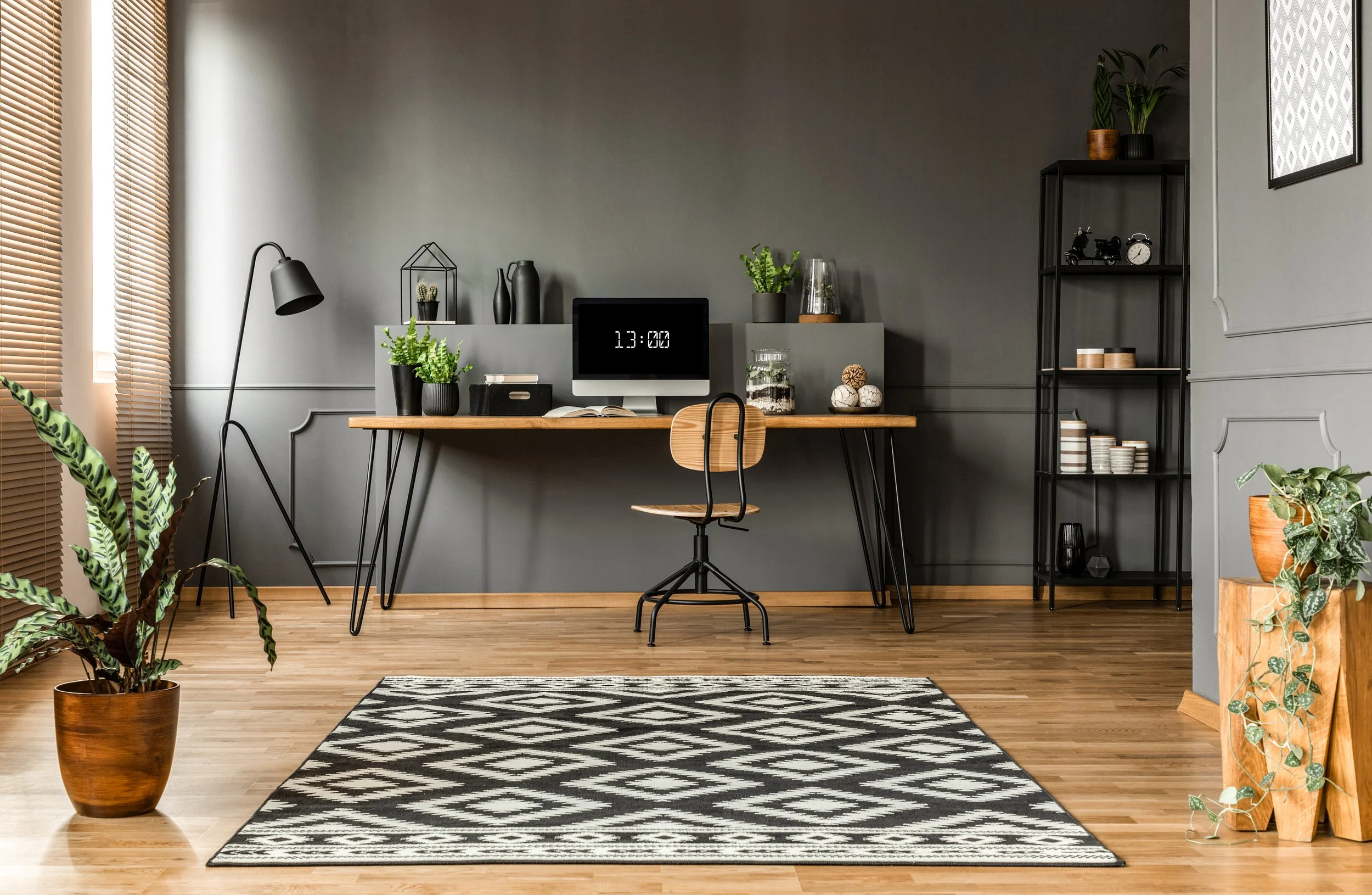
Let’s start with the simplest and hardest part: separating true needs from what you simply find to be cute or trendy—succumbing to the siren song of online posts and advertisements.
Needs fix problems. Wants add personality, beauty, and joy.
Needs may include:
- better lighting to truly reveal the colors in your space
- a rug that fits the area you’re trying to create within a room
- decluttering so you can relax and breathe easy
- storage that prevents the seasonal avalanche when you open your cabinet or closet door
- a layout that doesn’t require Olympic hurdling to reach the sofa
Wants may include:
- the adorable boucle chair that absolutely will turn into a lint magnet
- a gorgeous headboard you fell in love with at 2 a.m.
- a gallery wall that looks incredible in someone else’s home but not in your smaller space
- the cute lamp that’s too tall but you want it anyway
Here’s the truth: You should address both needs and wants to create a room you love. But the order matters. Needs give you freedom. Wants give you sparkle.
Trying to sparkle before you have structure is how redesigns go sideways.
Step 2: Look for Patterns
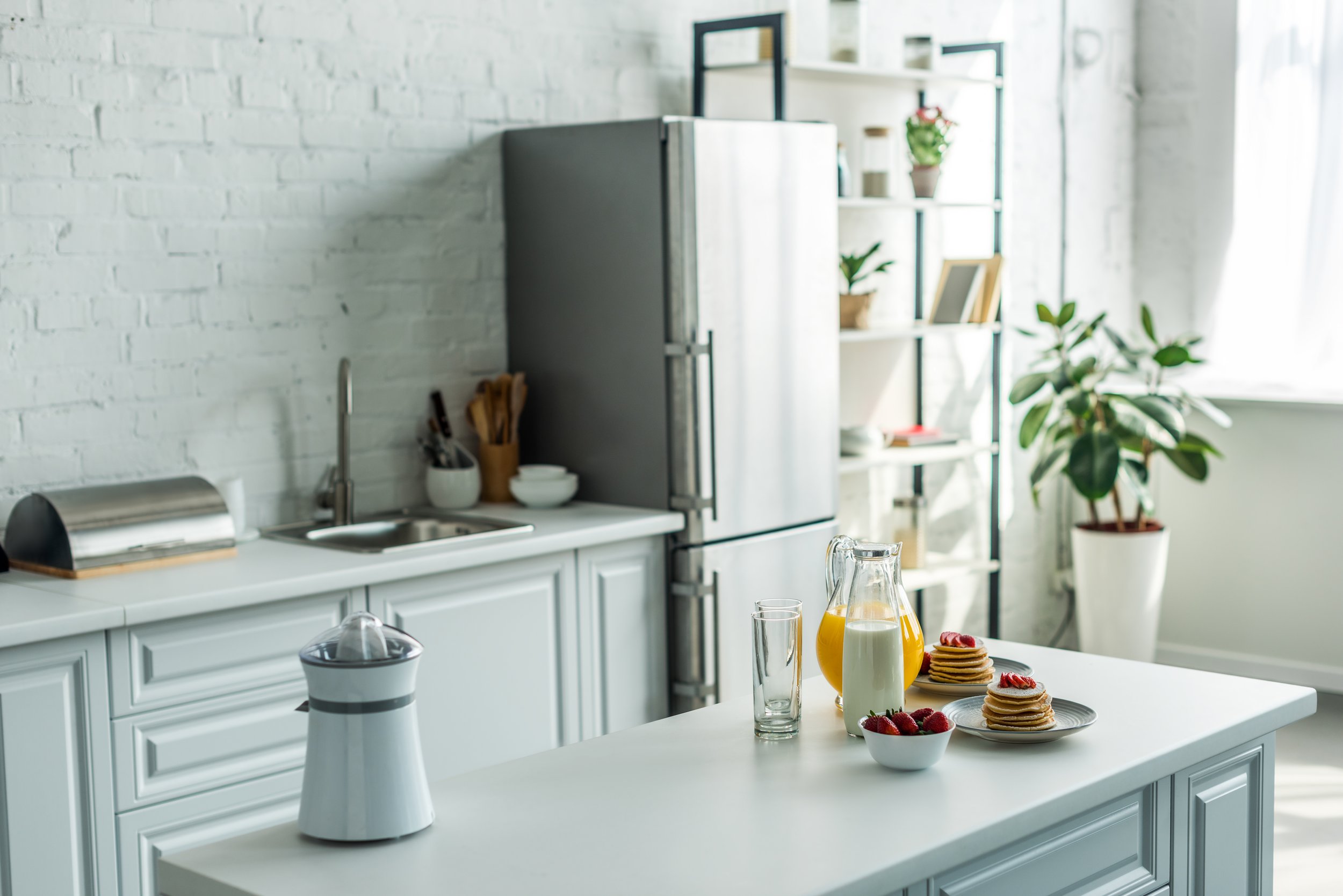
Pull out your Active Standing notes and look for repetition.
Do certain words or frustrations keep showing up?
Do the same areas of the room bother you from multiple angles?
Are you seeing the same types of issues pop up?
Common patterns include:
- Function problems (This room isn’t doing what I need it to do)
- Flow issues (This layout makes zero sense)
- Lighting issues (It’s basically a cave at 5 p.m.)
- Scale problems (Why is the chair the size of a small car?)
- Styling gaps (The room feels unfinished or chaotic)
Patterns reveal priorities and help you create a strategic project list. Once you see the patterns, you stop guessing—and start planning with intention.
Step 3: Identify the Experience You Want
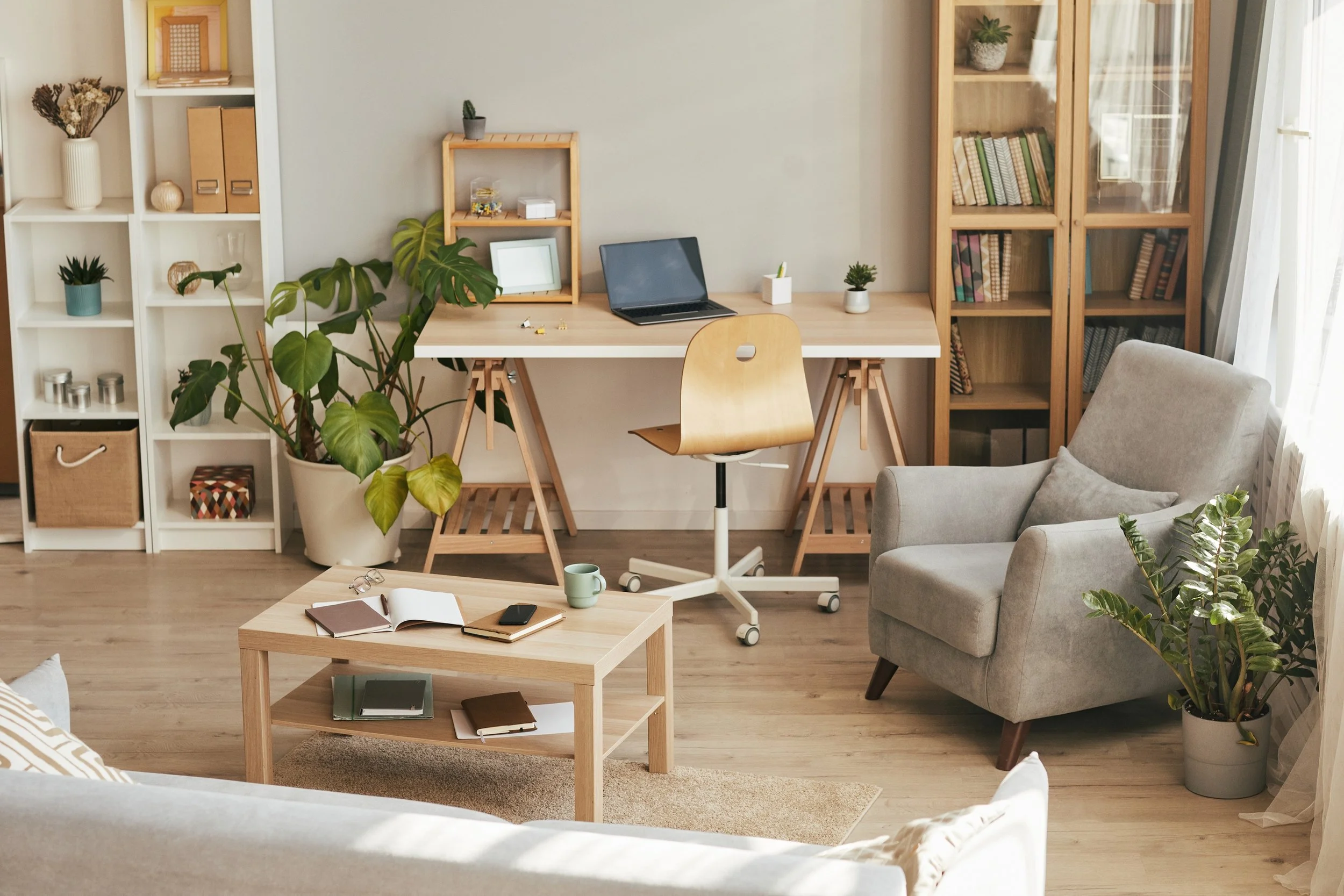
Here’s where we shift from the practical to the emotional. Ask yourself: What do I want this room to feel like? Because design isn’t just about how things look—it’s about how your home makes you feel when you walk into it after a long day.
Do you want:
- calm?
- cozy?
- light and airy?
- energized?
- grounded?
- or my personal favorite: “like adults actually live here”?
Naming the desired feeling becomes your North Star. Every decision—from paint color to layout to textiles—should support the experience you’re trying to create. Without this step, you can end up with a room that’s technically “pretty,” but emotionally flat.
Step 4: Create Your Baseline
Now you have:
- your needs
- your wants
- your patterns
- your desired experience
Together, these form the foundation for everything that comes next.
Your baseline tells you:
- what must change
- what can stay
- what to prioritize
- what you can delay
- what can be solved with editing versus buying
- and where money (hello, tax refund) should actually go
This is the moment the fog lifts. Your room stops being “a problem” and becomes a manageable, understandable project.
Step 5: Connect to Your Future Budget
With foundation in place, you’re positioned to talk dollars—wisely, strategically, and with very low risk of falling victim to panic purchase.
Call to Action
Take your Active Standing notes and pull out:
- your top 3 needs,
- your top 3 wants,
- patterns based on needs and wants
- the primary feeling you want for the room
These three lists are your roadmap for everything ahead. If you want feedback, send them my way—I love helping people decode their spaces.
Closing
You just built the bones of your redesign plan.
Next week, we’ll talk about smart budgeting—where to splurge, where to save, and how to make that tax refund work for you instead of it evaporating into impulse buys.
Now, what will you do next to love where you live?
Be sure to visit The Redesign Habit to share your redesign stories or reach out with your questions. We’d love to hear what you’re working on. For more great stories and ideas please follow us on Facebook, Instagram, and subscribe to our YouTube Channel.