DIY or Hire? When Is It Time to Call in the Pros?
Once you’ve created your plan and set your project budget, there’s a critical moment in every home project when you stop and ask yourself, “Can I really do this all by myself… or am I about to star in my own DIY disaster show?”
Some projects are perfect for rolling up your sleeves. Others require training, precision, and someone with bigger, better equipment and longer experience.
Today’s blog is all about helping you make that call with confidence—not fear, guesswork, or pressure from that nagging overconfident part of your brain that claims “I know electrical.”
DIY or Hire Checklist
Step 1: Be Honest About Your Skill Level
This is not the time for bold optimism. This is the time for truth, humility, and perhaps a quiet moment of reflection about the last time you tried to assemble furniture without reading the directions.
Ask yourself:
- Have I done this type of project before?
- Did it turn out well?
- Do I understand the steps involved?
- Can I realistically learn what I need to?
If your answer to most of these is, “Well… maybe?” — that’s your sign. Confidence is good. Overconfidence is how you end up with unwanted headaches and unexpected costs.
Step 2: Know the Golden Rule — Safety First
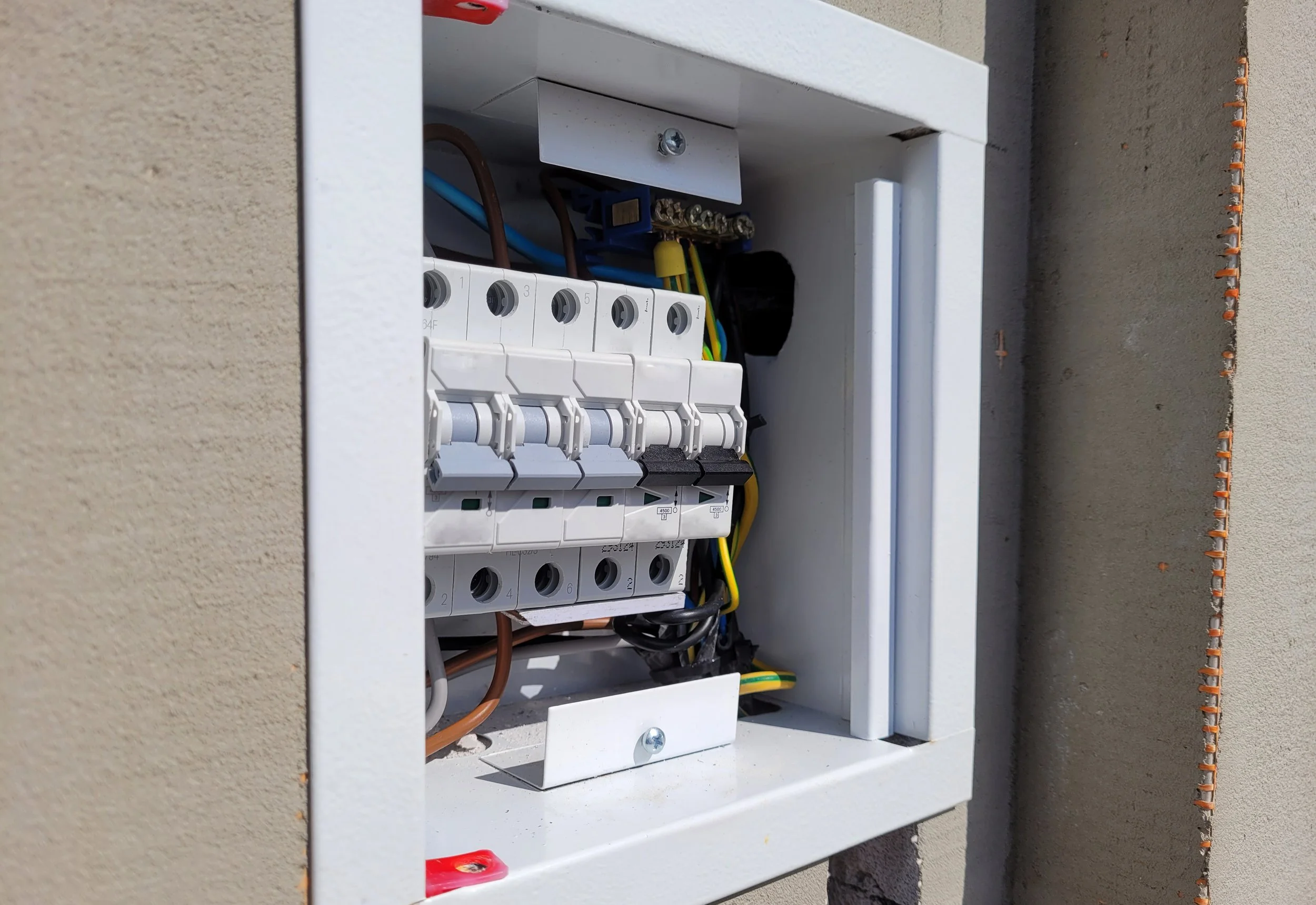
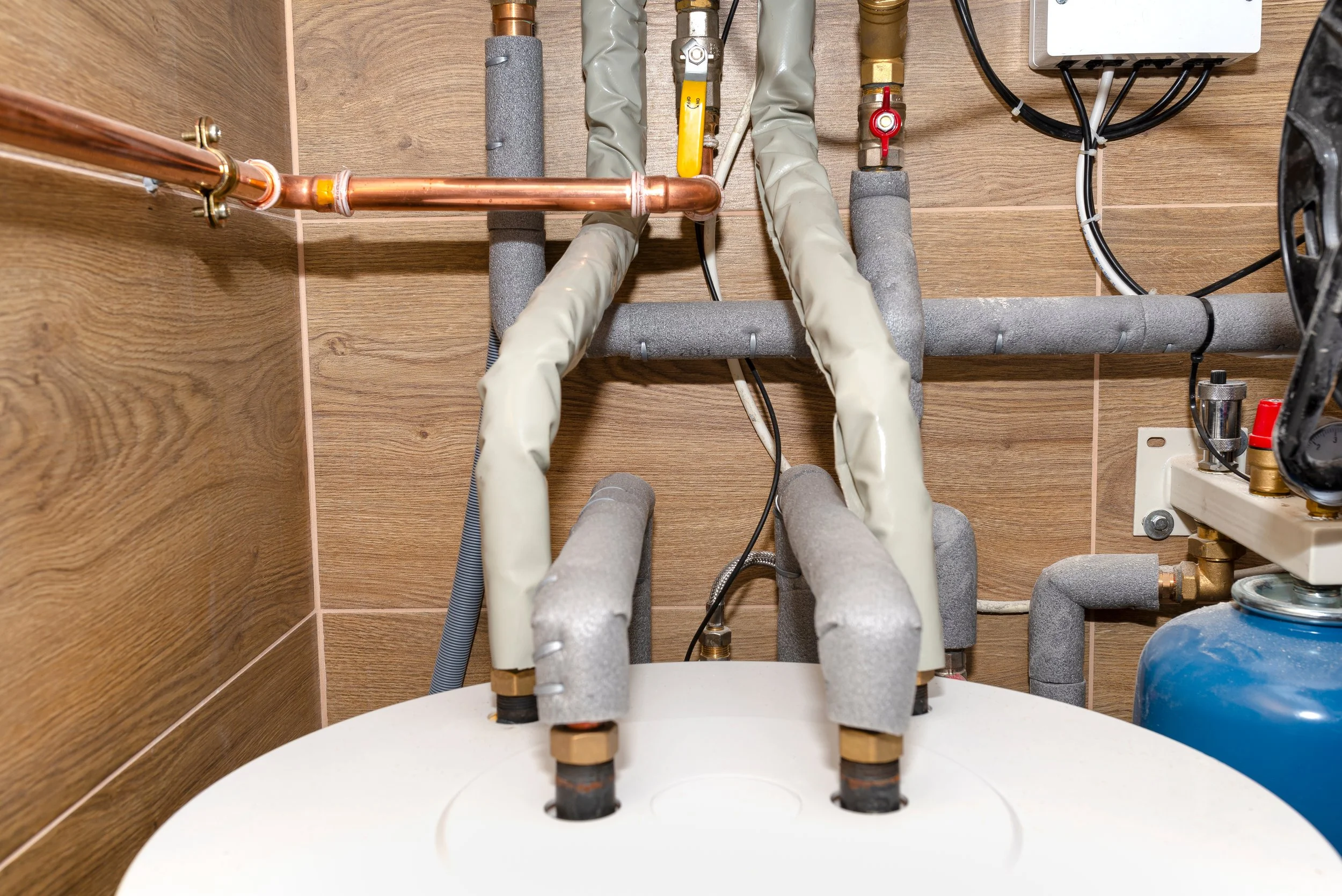
Let’s be crystal clear: If it involves electrical, structural changes, plumbing, gas, or anything requiring a license, call a professional.
No exceptions. No “my friend once watched a YouTube video on this.” No “how hard could it be?” By the way, that answer is “Hard.” It could be hard. And dangerous.
Pros bring:
- training
- safety knowledge
- the right tools
- insurance
- experience
Hiring them isn’t a luxury—it’s protection.
Step 3: Factor In Time (Your Most Precious Resource)
You might technically be able to do a project yourself…but do you have the time?
A weekend project in theory often turns into:
- three weekends
- several late nights
- one heated conversation with the tape measure
- multiple hardware store trips
- and a moment of existential dread
Professionals bring speed. Speed brings sanity. If your free time is already stretched thin, paying for the time of someone who can complete the job efficiently is money well spent.
Step 4: Consider the Tools Required

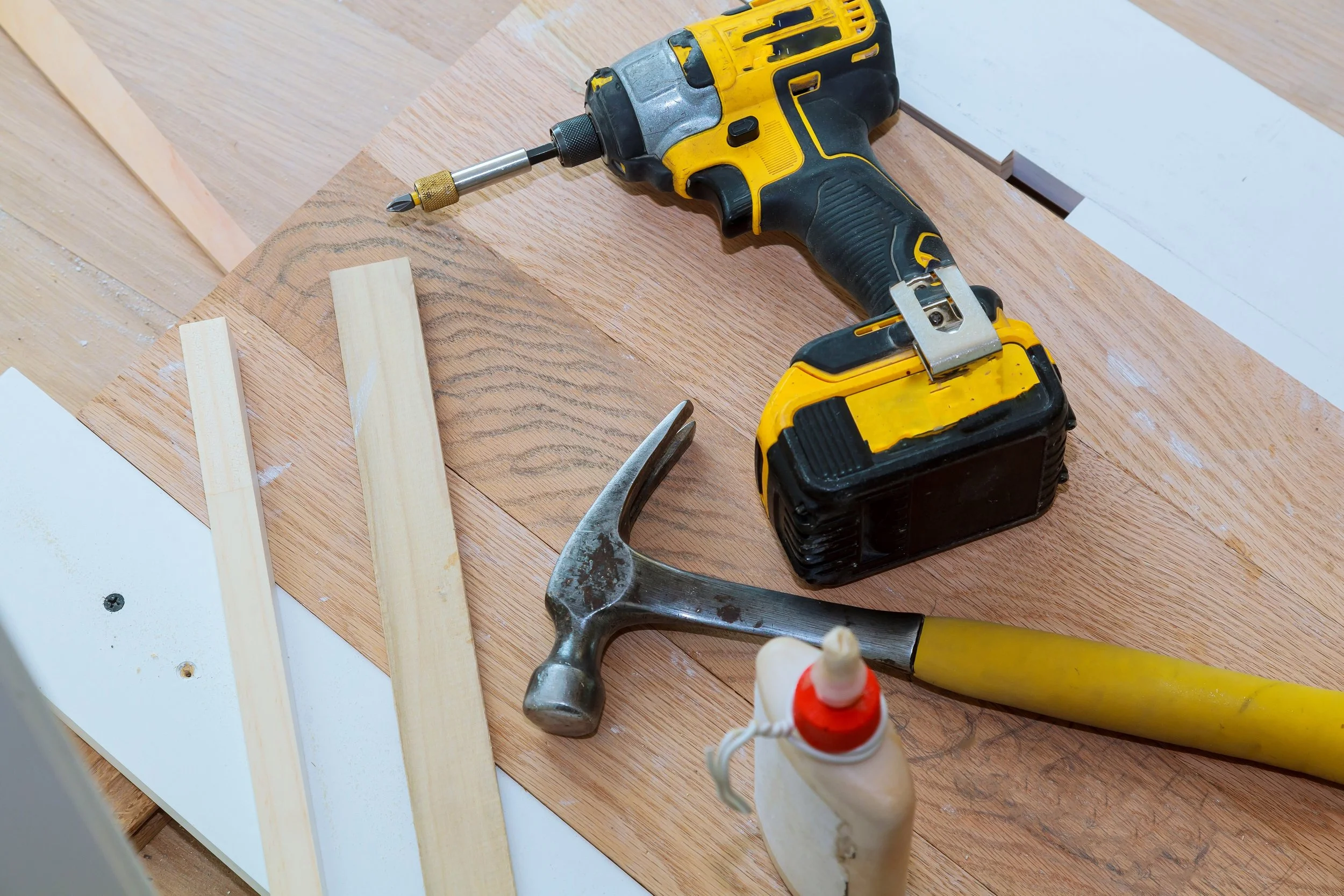
Here’s the thing about tools, if you need something obscure, expensive, or highly specialized, that’s a DIY red flag. Sometimes the tool alone costs more than hiring the pro.
Ask yourself:
- Will I use this tool again?
- Is the learning curve worth it?
- Could renting be an option?
If the answer is “probably not,” then you’re not doing a DIY project—you’re doing a research project followed by a shopping trip. Call the pro.
Step 5: Think About the Finish Quality You Want
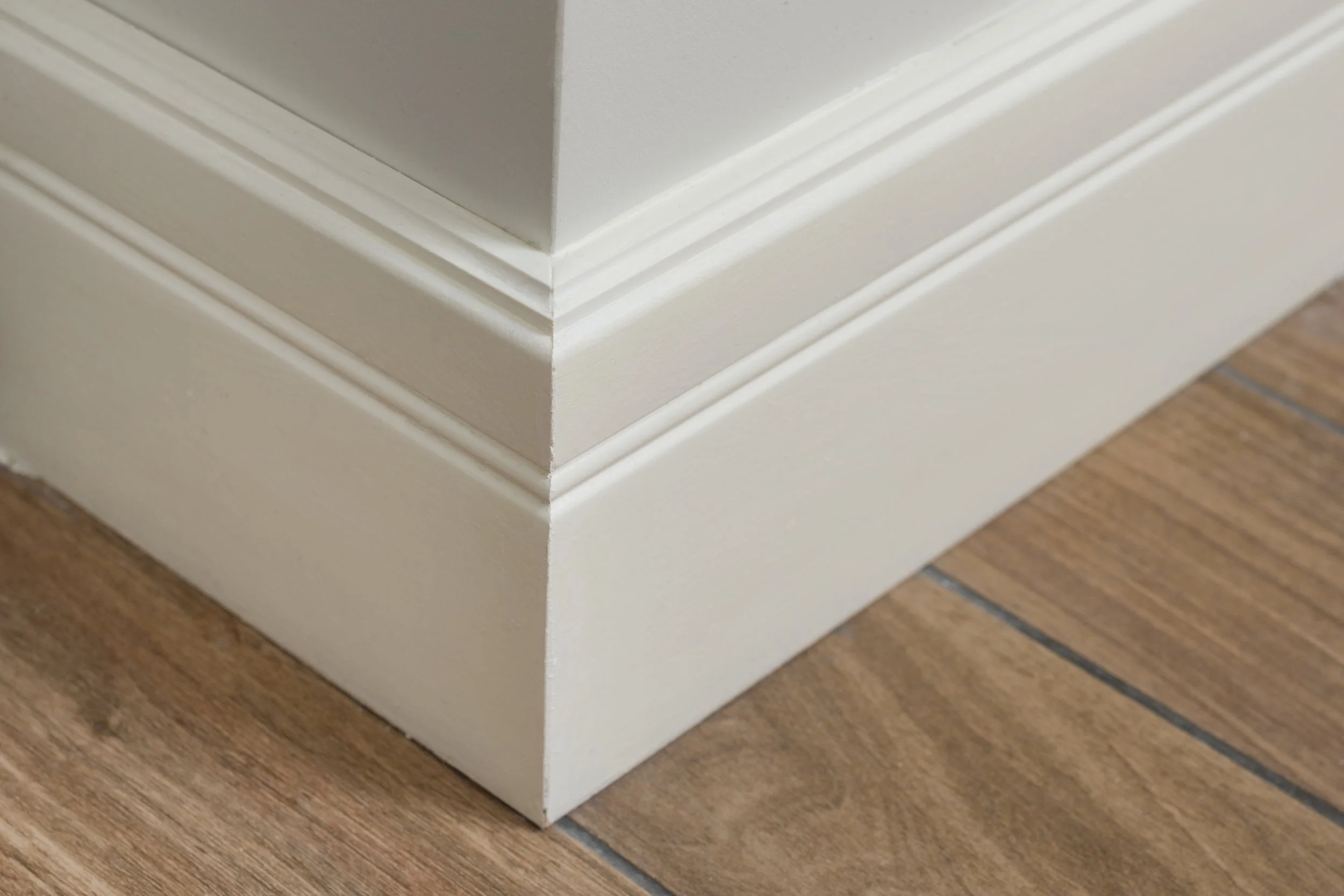
Some projects are forgiving. Others are absolutely not.
A few examples:
- Trim work — pros make it look effortless
- Skim coating walls — unless you enjoy chaos
- Detailed tiling — one bad cut changes your whole mood
- Wallpaper — don’t get me started
Your enjoyment of the final result is directly tied to how good the finish looks. If precision matters, a pro is your best friend.
Step 6: Know When DIY Is Actually Perfect
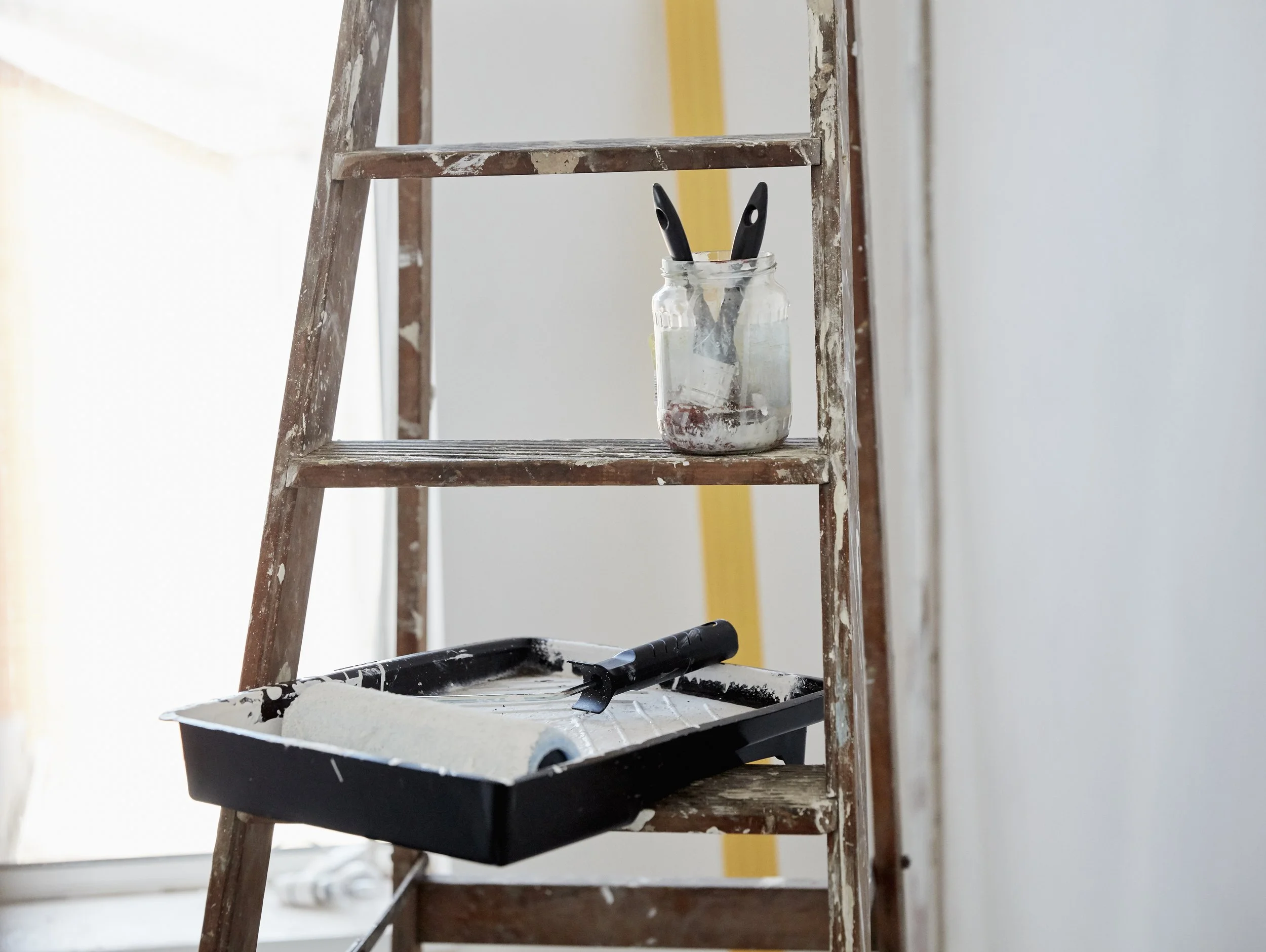
All that said—DIY can be awesome for the right tasks.
DIY is ideal when:
- it’s low-risk
- it’s mostly cosmetic
- it’s reversible
- you enjoy the process
- the worst-case scenario is “Oops, let me try that again”
Fantastic DIY candidates:
- painting
- furniture refinishing
- swapping hardware
- building simple shelves
- styling and decor
- peel-and-stick anything
- minor patching and repairs
Of course, your answers are yours alone, based on your skills and experience. DIY builds confidence (and sometimes character). Just choose wisely.
Step 7: Combine Forces — The Hybrid Approach
This is the sweet spot for many people.
Examples:
- Hire a pro to install the new lighting…but paint the room yourself.
- Hire the tiler…but handle the vanity upgrade.
- Have a contractor build the built-ins…and you finish the styling.
This approach saves money and gives you the satisfaction of being hands-on.
You get to participate without taking on more than you should.
Call to Action
Take your latest project list and label each item:
- DIY
- PRO
- or HYBRID
Trust your instincts. Trust the process.
And if you’re on the fence about a specific project, send it to me—I can help you figure out which category it falls into (and talk you out of anything involving electrical).
Final Thoughts
Next blog, we’ll hit the next phase: how to hire the right pro without losing your mind.
Now, what will you do next to love where you live?
Be sure to visit The Redesign Habit to share your redesign stories or reach out with your questions. We’d love to hear what you’re working on.
For more great stories and ideas please follow us on Facebook, Instagram, and subscribe to our YouTube Channel.