DIY Versus Leave to the Pros
DIY has a complicated reputation. It’s celebrated as empowering and budget-friendly, while also blamed for crooked shelves, half-finished projects, and weekends that spiral out of control. The reputation is well-earned, and the truth sits somewhere in the middle. DIY can absolutely save money, done in the right places at the right time. However, it often costs more than hiring help in the first place. This blog will help you determine what to DIY versus LTP (Leave to Pros).
DIY That Supports the Process vs. Work That Shapes the Outcome
One of the most helpful distinctions homeowners can make is understanding where their effort truly helps and where it has a lasting visual impact.
DIY supporting the process includes tasks that:
- don’t require specialized tools
- don’t affect safety or structure
- help move the project forward
Think:
- clearing and organizing the space
- removing hardware or light fixtures (when appropriate)
- patching small nail holes
- cleaning, sanding, or priming surfaces
This type of DIY often saves moolah because it reduces labor, which is often where costs add up quickest.
Work shaping the outcome includes tasks that:
- affect what you see every day
- require precision and experience
- are costly or difficult to fix if mistakes happen
Examples include:
- tile installation
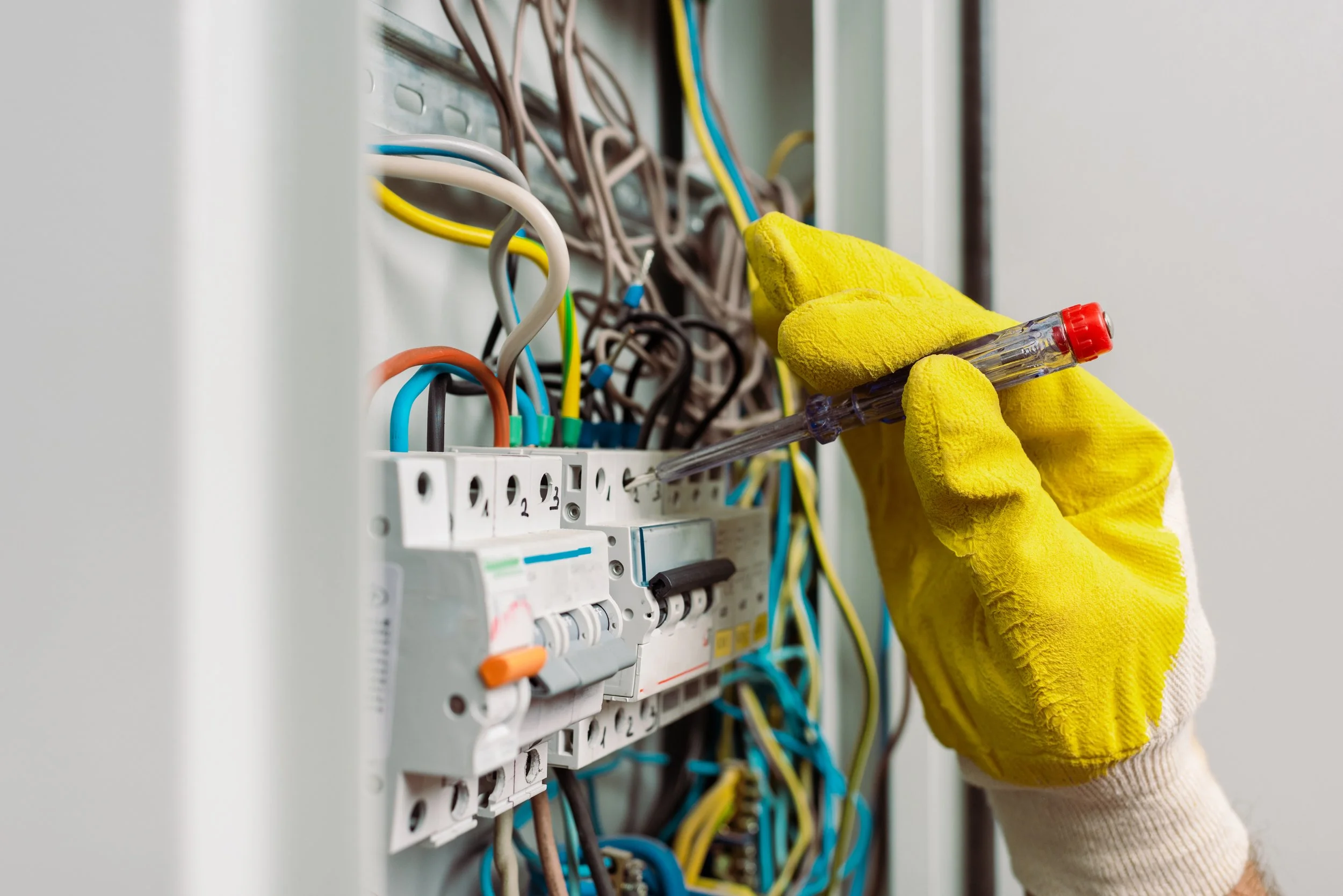
- electrical or plumbing work
- structural changes
- detailed finish carpentry or trim work
This doesn’t mean these tasks are off-limits to everyone. Many homeowners have developed strong skill sets over time and can install tile, add trim, or create built-ins that look beautiful and professional. When that’s the case, these projects can be deeply satisfying.
The key difference isn’t enthusiasm — it’s experience, time, and your tolerance for imperfections that will live front and center in the space.
DIY works best when it supports the process instead of carrying it.
Good DIY opportunities often:
- prepare surfaces for professional work
- reduce the number of hours someone else needs to be on site
- allow you to work at your own pace without pressure
DIY stops being budget-friendly when:
- timelines stretch far longer than expected
- mistakes require redoing or repair
- stress outweighs satisfaction
- the project stalls completely
Sometimes the most cost-effective decision is knowing when to step back.
How to Decide: DIY, Hire, or Hybrid
Ask yourself:
- Does this task affect safety or structure?
- Would a mistake be expensive or visible?
- Do I have the time to do this without rushing?
- Will doing this myself actually reduce labor costs?
Many successful redesigns use a hybrid approach — homeowners handle prep work, while pros manage technical or high-risk tasks. DIY doesn’t need to be an all-or-nothing decision. You don’t earn extra points for exhaustion, and redesign isn’t a test of worthiness. When DIY is used intentionally, it becomes a partnership with the process, not a burden.
What Comes Next
Once you understand where DIY fits, the next step is learning how to work smoothly with professionals when they’re involved. That’s where clarity, communication, and preparation come together.
Now, what will you do next to love where you live?
Be sure to visit The Redesign Habit to share your redesign stories or reach out with your questions. We’d love to hear what you’re working on. For more great stories and ideas please follow us on Facebook, Instagram, and subscribe to our YouTube Channel.